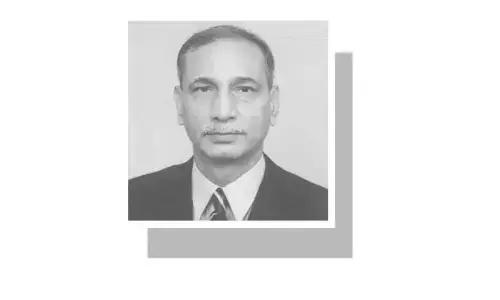
ISLAMABAD: USAID Regional Trade Advisor Dr Manzoor Ahmad said on Tuesday that Pakistan needs to eliminate its negative list with India to allow import of all tradable products.
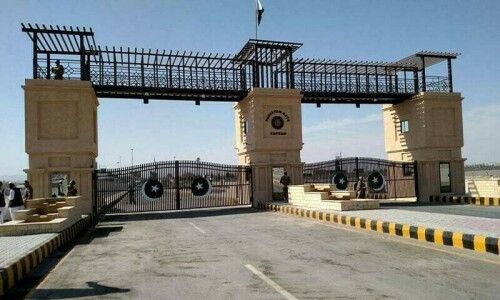
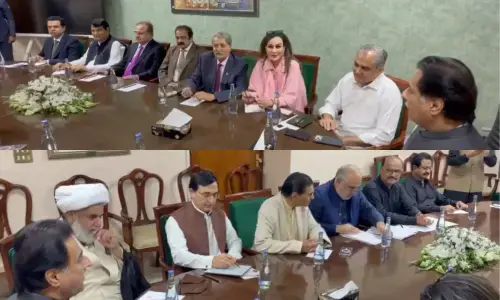
Speaking at a seminar, organised by the ministry of commerce to shore up support from stakeholders for further liberalising trade regime with India, Mr Ahmed suggested lifting of ban by Pakistan on import of all tradable products from India via Wagha border.
Pakistan moved from positive list-based trade to negative list based trade in March 2012, and 1206 items were placed in the list.
Dr Manzoor, who is a former permanent envoy of Pakistan to the WTO, said that Pakistan needs to eliminate this negative list, and to allow import of all goods through Wagha border.
Currently slightly over 100 Indian items imports is allowed via Wagha.
Dr Manzoor said that Pakistan needs to build capacity of the National Tariff Commission to deal with any injury to Pakistani industry from any increase in imports.
Pakistan’s exports through Wagha had gone up from just Rs3 million in 2007-2008 to almost Rs3bn. These are exceptional growths that Pakistan has not achieved with any other county. If Pakistan wants to achieve a higher GDP growth, trade normalisation with India would be the best route, he said.
Secretary of Commerce Qasim Niaz was of the view that liberalising the existing trade regime with India would spur development in both the countries.
The participants concluded that no maximised benefits from normalised trade with India can be achieved until Pakistan improves its trade infrastructure, including warehousing facilities and railway wagon capacity for trade at Wagha and opens more land routes for trade to reduce the cost of imports from India.
Harmonisation of product classification codes was also suggested to prevent disagreements during clearance of Pakistani exports by India Customs. India and Pakistan should implement customs agreement to simplify customs procedures, they said.
Furthermore, both the countries should facilitate establishment of bank branches from the counterpart country to remove barriers to trade related to the payment and repatriation of profits across the border.
Experts say that for Pakistan allowing import of all items via sea route may not be that sensitive, but allowing the same especially the agriculture produce via land route might not be acceptable to big farmers of Punjab.
Similarly, the commerce ministry negotiating team did not consider the subsidies being given to farmers in India while opening border for Indian products. India is one of the country providing huge subsidies to farmers while the same level of support is not available to farmers in Pakistan.
The subsidy issue has not been taken into consideration while approving the liberalisation regime with India by the previous government.