3
3
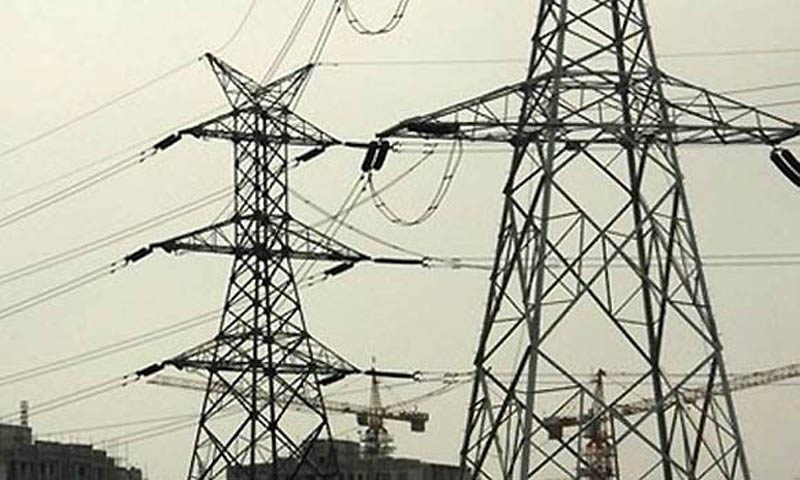

ISLAMABAD, July 7: The government has decided to provide uninterrupted power supply to commercial consumers during daytime and to industries at night under a staggering supply strategy and charge higher tariffs.
The government has also decided to ban setting up of thermal power plants using furnace oil and diesel to stop a further increase in generation cost and instead focus on using coal, gas, hydroelectric, nuclear and renewable resources to scale down the costs.
The federal cabinet is likely to approve a tariff rationalisation plan this week so that the average cost of energy for industrial and commercial consumers is reduced by enabling them to curtail their reliance on expensive private generators and captive power plants and, at the same time, spare gas for larger power plants.
Minister for Water and Power Khwaja Mohammad Asif told Dawn that the tariff for commercial and industrial consumers would be increased in a few days after the cabinet’s approval.
The government has postponed a tariff increase for domestic consumers for the time being in view of Ramazan. “We have not yet decided if the tariff increase for domestic consumers, except lifeline, should be made soon after Eid or a month later,” Khwaja Asif said.
Answering a question, he said the exact size of tariff increase for industrial and commercial consumers would be decided by the cabinet on return of Prime Minister Nawaz Sharif from China, but “this adjustment will take place very soon…definitely within July”. The increase will depend on the overall cash flow situation and the subsidy allocation in the budget.
He said the consumption limit for lifeline consumers would be increased to protect them from tariff increase because the government did not want to put the under-privileged class under more financial pressure.
The minister said it was not yet decided if the consumption limit for lifeline consumers should be 200 units or 300 per month, but the existing limit of 50 units would be surely increased based on opinions of technical and financial teams and views of the cabinet.
He said the industrial consumers were paying about Rs25 per unit at present, in some cases up to Rs32 per unit, because they were using generators or captive plants run on diesel, furnace oil or gas for more than eight hours a day and hence their average tariff combined with Wapda tariff was quite high.
“We will increase their tariff but it will still be cheaper than rates they are getting today if you take into account their own generation cost. In overall terms, they will make a saving on average tariff,” he said.
In the longer term of 4-5 years, the government would reduce energy cost from Rs14 per unit. At present, the average tariff approved by Nepra stands at about Rs14.70 per unit against its actual sale rate of Rs8.80 per unit.