ISLAMABAD: Heraldo Munoz, the lead United Nations (UN) investigator in a probe into former prime minister Benazir Bhutto’s assassination, doubts the banned Tehreek-i-Taliban Pakistan (TTP) independently carried out the attack, but does not discount suspicions about involvement of intelligence operatives in her murder and later covering up of evidence.
An adaptation from Mr Munoz’s upcoming book, ‘Getting away with the murder — Behind the Investigation of Benazir Bhutto’s Assassination’, published on Foreign Affairs magazine’s website, expresses fears that the murder would remain unsolved because of absence of both capacity and willingness of the government and courts to solve the case.
Mr Munoz, currently UN Assistant Secretary General, had headed the UN Commission of Inquiry into the assassination appointed by Secretary General Ban Ki-moon on the government’s request in July 2009. The commission submitted its report to the secretary general in March 2010.
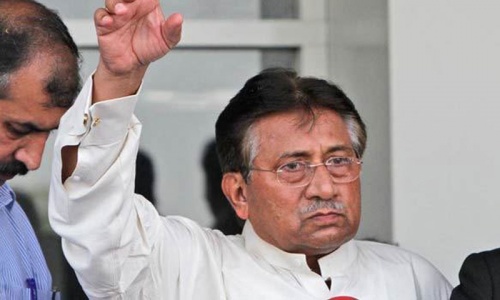
The publishing of the article coincided with the indictment of former military ruler retired Gen Pervez Musharraf by an anti-terrorism court in Rawalpindi in the Benazir assassination case.
Mr Munoz believes Gen Musharraf may have facilitated the killing by ignoring Ms Bhutto’s security needs after their political deal went sour and does not absolve him of moral and political responsibility.
“Suspicions of the ISI’s — or at least of some retired officers or rogue members of the agency — involvement in the assassination were not unfounded,” he observed in the article after narrating his meetings with army chief Gen Ashfaq Parvez Kayani and then ISI director general Lt Gen Shuja Pasha.
The UN investigator has recounted that army chief Kayani had doubts about Pakistani Taliban’s involvement in the murder of former prime minister Benazir Bhutto.
Kayani suspected whether the slain chief of TTP, Baitullah Mehsud had organised the assassination, as was claimed by an interior ministry spokesman at a news conference a day after Bhutto’s death on December 27, 2007.
Musharraf’s government based its claim on Mehsud’s telephonic conversation intercepted by the Inter-Services Intelligence (ISI).
Kayani had called the press conference “premature” and that “It should not have been done,” Heraldo Munoz wrote in his book.
“One cannot conclude culpability solely on a phone intercept,” the army chief was quoted as saying by Munoz, who headed a UN panel that investigated Benazir Bhutto’s assassination.
Referring to hosing down of the crime scene within 24 hours, General Kayani also criticised local policemen in Rawalpindi, calling them “amateur”.
“If in 24 hours you don’t completely secure the scene, then you lose the threads to solve a case,” he said.
Benazir Bhutto was assassinated in a gun-and-bomb attack outside Rawalpindi’s Liaquat Bagh on December 27, 2007 while Musharraf was president. She was killed after addressing an election campaign rally in the city.
“In Bhutto’s case, it would seem that the village assassinated her: Al-Qaeda gave the order; the Pakistani Taliban executed the attack, possibly backed or at least encouraged by elements of the establishment; the Musharraf government facilitated the crime through its negligence; local senior policemen attempted a cover-up; Bhutto’s lead security team failed to properly safeguard her; and most Pakistani political actors would rather turn the page than continue investigating who was behind her assassination,” the UN investigator observed in the concluding paragraphs.