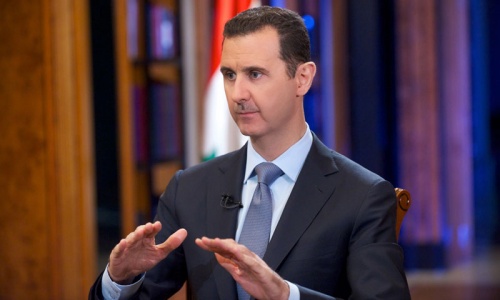
BEIRUT: Syria is committed to the convention against chemical weapons it signed under a US-Russian deal and sees “no obstacles” to its implementation, President Bashar al-Assad said in an interview broadcast Thursday.
Speaking to Venezuela's Telesur, the Syrian leader insisted that his regime was complying with a deal under which Damascus will turn over its chemical weapons for destruction.
“Syria is generally committed to all the agreements that it signs,” he said in an interview published in full by the Syrian state news agency Sana on Thursday.
He said Damascus had begun to send the required details of its chemical arsenal to the Organisation for the Prohibition of Chemical Weapons which is overseeing the deal, and that OPCW inspectors were expected to visit Syria.
“Experts (from the OPCW) will come to Syria in the coming period to look into the status of these weapons,” he said.
“As the Syrian government, there are no serious obstacles,” he said.
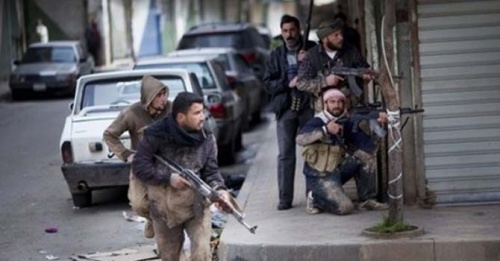
“But there is always the possibility that the terrorists will obstruct the work of the experts by preventing them from accessing certain places,” Assad added.
The Syrian regime calls all those fighting against it “terrorists”.
Syria agreed to turn over its chemical arsenal under a deal thrashed out following an August 21 sarin attack in the suburbs of Damascus, which killed hundreds of people.
The attack, which occurred as UN chemical weapons experts were in Syria investigating previous alleged chemical attacks, was blamed on the Syrian regime by Washington and other international backers of the Syrian opposition.
Assad's government denies involvement, but agreed to turn over its chemical arsenal in the face of threatened US military action in response to the August 21 attack.
The UN experts, who confirmed that sarin gas was used in the attack, arrived back in Damascus on Wednesday and are to resume investigations into other previous alleged attacks.
Assad said his government would ensure the UN experts were also able to move around freely, insisting that his regime had invited them to come.
“We are the ones who invited them to come to Syria in March when the terrorists used poison gas in a suburb of the city of Aleppo,” he said.