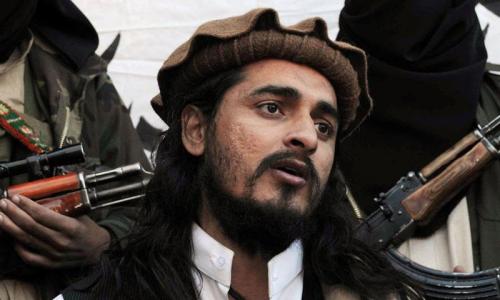
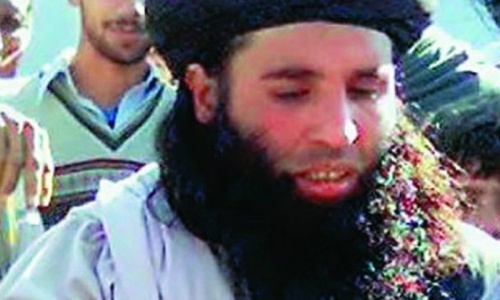
MIRAMSHAH: The Tehrik-i-Taliban Pakistan (TTP) have elected hardline Swat Taliban leader Mullah Fazlullah as their new chief, a week after former supremo Hakimullah Mehsud was killed in a US drone strike in North Waziristan.
“Fazlullah is the new TTP chief,” TTP caretaker leader Asmatullah Shaheen said at a press conference at an undisclosed location in northwest Pakistan.
“The decision was taken at a shura (council) meeting today,” foreign news agency AFP quoted Shaheen as saying. “The supreme shura has also elected Sheikh Khalid Haqqani as the deputy chief of Tehrik-i-Taliban Pakistan.”
TTP spokesman Shahidullah Shahid also confirmed the announcement. “Following proper consultations ... we chose our senior commander Mullah Fazlullah as our new ameer (leader),” he told news agency Reuters by telephone from an undisclosed location in neighbouring Afghanistan.
The election of hardline commander Fazlullah further dampens expectations of any peace deal between the insurgents and the Pakistani government.
“There will be no more talks as Mullah Fazlullah is already against negotiations with the Pakistan government,” said the spokesman, rejecting the idea of any further peace talks.
Heavy gunfire was reported in celebration in Miramshah, the main town in North Waziristan tribal area, following the announcement of the new chief.
Mullah Fazlullah: A brief profile
Fazlullah, whose men shot teenage schoolgirl Malala Yousufzai last year, led the Pakistani Taliban’s brutal two-year rule in northwestern Swat valley in 2007-2009 before a military operation retook the area. He fled across the border to Afghanistan and is now believed to operate from Nuristan province.
Nicknamed Mullah Radio for his fiery radio broadcasts in Swat valley, Fazlullah is considered hardline even within the Pakistani Taliban movement itself.
The killing of former chief Hakimullah Mehsud on Friday came as the Pakistani government said representatives were prepared to meet the TTP with a view to opening peace talks.
The drone strike triggered an angry response from Islamabad, with Interior Minister Chaudhry Nisar accusing Washington of sabotaging peace efforts.
Prime Minister Nawaz Sharif was more measured, but said his government was committed to seeking peace through dialogue and stressing that an end to bloodshed could not be achieved “by unleashing senseless force”.
Sharif came to power in May partly on a pledge to hold talks to try to end the TTP’s bloody insurgency that has fuelled instability in the nation.
In September he won the backing of major political parties in an APC to begin peace negotiations with Taliban insurgents.
The TTP, an umbrella organisation grouping numerous militant factions, has killed thousands of soldiers, police and civilians since 2007 in its campaign against the Pakistani state.