12
12



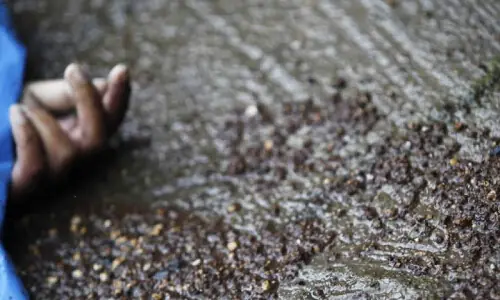
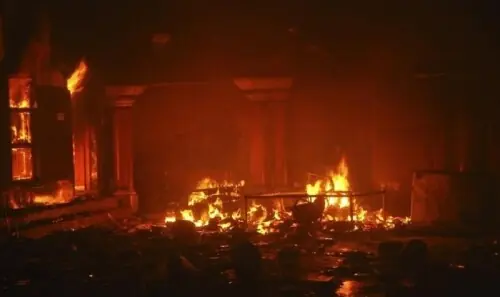
KARACHI: Three bomb and grenade attacks near Imambargahs in North Nazimabad and North Karachi on Wednesday night left about 20 people injured. The attacks sowed fear in the city on the eve of Ashura processions that have drawn tight security measures across the metropolis.
The injured included policemen, Rangers personnel and media persons.
Officials believed that the attacks took place in ‘sensitive’ areas and were aimed at creating disturbances.
Two men were wounded when a small improvised explosive device (IED) went off in Pahar Ganj area and over 15 others suffered injuries in another blast not very far away.
“The first explosion occurred at the shrine of Abul Fazal,” said DIG West Javed Alam Odho. The shrine was closed at the time of the attack. An Imambargah is located in the area.
The injured were identified as Aftab Hussain, 20, son of the shrine’s caretaker Khalid Hussain, and Naveed Mohammed, 22.
Aftab suffered multiple and serious injuries on his back, according to additional police surgeon, Dr Abdul Haq.
Bomb disposal expert Abid Farrukh said an IED — weighing 500 grams, containing ball bearings and wrapped in a shopper — had been attached to the wall of the shrine and detonated through remote control. The wall collapsed, a car was destroyed and two other vehicles were damaged.
After an hour, another blast occurred at a distance of around 50 yards from the shrine, leaving a policeman with critical head injuries. Two Rangers personnel, a policeman and some media persons and other people received minor injuries, said the DIG.
He said the second explosion took place in a heap of garbage.The injured were taken to hospital. They were identified as CNBC reporter Khizruddin, CNBC photographer Syed Shariq Hussain, Waqt TV reporter Raza Abdi, policemen Faheem Iqbal and Zahid Hameed, Mohammed Ali, Samar Zaidi, Khalid Raza, Rasheed Mehboob, Faisal Ejaz, Nadeem Qasim, Farid Qadir, Nawaz Ali, Naseem Ahmed and Danish Shabbir.
In the third incident, a grenade was hurled at a police check-post near an Imambargah in North Karachi after a Majils had ended.
According to SSP Central, Amir Farooqi, two men on a motorcycle hurled a ‘cracker resembling a tennis ball’ at the check-post, injuring policemen Mushtaq and Yusuf.
Meanwhile, taking notice of the incident, Governor Sindh Dr Ishratul Ibad Khan has ordered security to be put on red-alert in the city.
Security had already been put on high alert across the country to thwart terrorist attacks during the holy month of Muharram, when Shia Muslims mourn the seventh century martyrdom of Hussain, the grandson of Prophet Muhammad (PBUH), along with his family members.
Shias make up around a fifth of Pakistan's predominantly Sunni Muslim population.
Police and Rangers forces were already carrying out operations against criminal and terrorist elements to curb sectarian and political killings in the port city. Karachi, a city of 18 million people which contributes 42 per cent of Pakistan's GDP, is rife with murder and kidnappings and has been plagued for years by ethnic, sectarian and political violence.