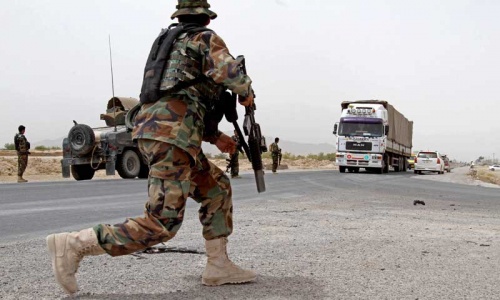
KABUL: Up to 12,000 Afghan Taliban fighters have been killed, wounded or captured this year, according to a United Nations report, which said violence in the war-torn nation was at a three-year high.
US-led Nato forces are to withdraw the bulk of their 75,000 troops from Afghanistan by the end of the next year after 13 years of fighting the Taliban.
The paper for the UN Security Council warned that the insurgents' homemade bombs, which accounted for 80 per cent of the casualties among Afghan security forces, were becoming increasingly sophisticated.
A particular concern was Afghanistan's developing mining industry, which uses large quantities of high explosives and detonating equipment.
The report warned that the Afghan authorities must strengthen regulatory measures to stop these explosives falling into the hands of the insurgents.
Afghan tribal elders are to meet for a grand assembly or “loya jigra” on Thursday to decide on the future of US troops in the country after 2014.
A similar deal between the US and Iraq collapsed, leading to a complete pullout of American forces and there are fears a repeat in Afghanistan could lead to chaos and violence if local forces are unable to cope with the Taliban.
The UN report said the government of President Hamid Karzai was facing “elevated levels of violence not seen since 2010”.
Despite this, the report said, the Taliban had not made major gains or won significant popular support, and had suffered substantial losses.
“Losses on the insurgent side are difficult to estimate, but government sources and Taliban internal statistics alike estimate them at between 10,000 and 12,000,” the report said.
A UN official clarified that “losses” include killed, wounded and captured Taliban.
There was no independent confirmation of the figures and Nato does not give casualty counts for the Taliban.
Afghanistan has substantial mineral deposits – up to $1 trillion worth according to a US survey – and this wealth is seen as key to the country's prosperity after more than 30 years of war.
The report, submitted to the UN Security Council's committee on sanctions, called for a better regulatory framework for mining explosives and detonators to stop them from being misused by the Taliban.