8
8
THE Line of Control is exploding, and once again the potential for greater conflict is growing. With low-level, cross-LoC violence seemingly ignored outside security circles in both countries and overshadowed by other events globally, there was always the risk of an escalation at a time when neither India nor Pakistan appear to be interested in anything other than hurling accusations at one another. Now that escalation appears to have arrived with several civilian and military casualties on the Pakistani side — including three soldiers and nine bus passengers killed by Indian firing and shelling on Wednesday — and the Indian military claiming one of its soldiers has been beheaded. While the present violence is similar to several other episodes in recent years — and each episode saw better sense eventually prevail — when it comes to Pakistan-India relations, and especially the LoC, nothing should be taken for granted. Moreover, the Uri attack in September and the so-called surgical strikes by India in response may have altered the previous dynamic and created dangerous new expectations on the Indian side.
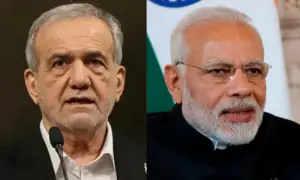
What is clear is that the 2003 ceasefire ought to be returned to at the earliest. It proved to be durable not only because it was sensible and both sides were committed to its implementation, but because it was rooted in an understanding that LoC violence hurts local populations and always carries the risk of a wider conflagration. Indian Prime Minister Narendra Modi appeared to not understand or appreciate the delicate balance in place along the LoC when, soon after assuming office, he not only ordered disproportionate Indian military responses across the LoC but also allowed government officials to boast about it. Now, with India-held Kashmir roiled by protests and under a suffocating curfew for months, New Delhi is making a thinly veiled attempt to shift domestic and international — to the extent it exists — attention away from India’s problems and towards the old ruse of escalating Pakistan-India tensions.
Here the temptation may be to believe that the imminent transition at the top of the army leadership and the election of a hawkish presidential candidate in the US has given Modi-led India further incentive to test Pakistan’s resolve. It is a temptation because, whether true or not, it deflects from what Pakistan does need to do: hold its nerve along the LoC; work towards a quick de-escalation of the latest violence; and continue with the diplomatic mission of highlighting the Kashmir dispute and the latest repressive measures by India in IHK. If, instead, the language of brinkmanship, retaliation and counter-retaliation is allowed to prevail, Pakistan too will be hurt. Internal security priorities are paramount while the external situation is brittle — the state of Pakistan must not allow itself to be goaded or distracted by Indian provocations.
Published in Dawn, November 24th, 2016