69
69
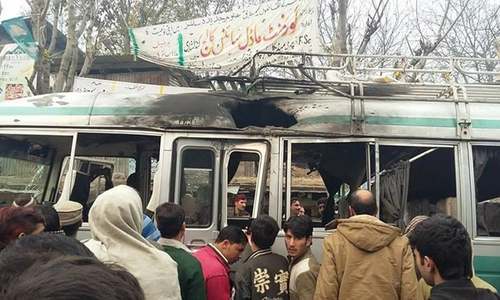
LAHORE: The Department of Plant Protection (DPP) has ‘halted’ import of cotton and other agriculture commodities, including vegetables, via the Wagah border crossing and Karachi port from India and issuing permits for future imports as tensions between the two countries rise to a new peak after Indian troops targeted a passenger bus and an ambulance near the Line of Control (LoC) and killed three Pakistani soldiers and 10 civilians on Wednesday.
Cotton importers and customs clearing agents claimed that the department had stopped the import of agriculture commodities from India without a warning or written order because of increase in tensions across the LoC.
Sahabzada Imran Shami, director general of the DPP, a subordinate department of the national food security and research ministry, however, sought to dispel the impression.
“We have stopped import of tomatoes and other fresh vegetables in order to protect our farmers. We have enough tomato and other vegetables stocks, which we import from India only in case of shortages in the domestic market,” he told Dawn by telephone from Islamabad on Friday morning.
The reason behind the ‘suspension’ of cotton imports from India was, nevertheless, different. “No. We have not stopped cotton imports from India. It has just been halted over reports that the Indian exporters are not meeting our bio-security conditions,” Sahabzada Shami contended.
“We’re looking into these reports and will lift restriction on cotton imports if our apprehensions are proved wrong.”
Nevertheless, he made it clear that only those cotton consignments would be allowed to enter Pakistan through surface or sea routes where importers had already secured permits from his department and carried phyto-sanitary certificates.
“Our cotton consignments are not being allowed to enter Pakistan through Wagah and Karachi for reasons known to the ministry but cheaper, subsidised Indian yarn is being brought in without any let or hindrance. At least 11 trucks of Indian yarn entered Pakistan on Thursday when the department stopped cotton consignments from coming to this side of the border,” a textile factory owner said while talking to this reporter.
“We have been told that ‘Indian imports are being slowed down’ because of rising tensions between the two sides across the LoC,” another textile manufacturer claimed. “As a consequence, our consignments for which letters of credit had been established and import permits issued by the department of plant protection are stranded on the other side of the Wagah border.”
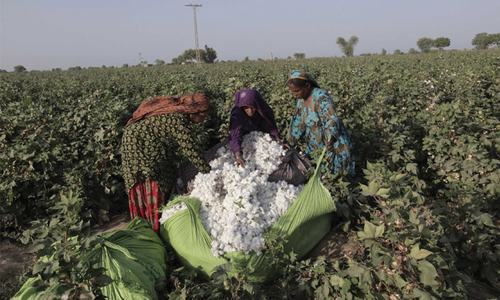
He said the suspension of cotton import from India would create a huge problem for the textile exporters as the truncated domestic crop target of 11.25 million bales for this year appeared difficult if not impossible to meet. “The industry requires 14m bales. We will still be short by three million bales of cotton even if the crop target is achieved.
“The cotton shortages after ban on Indian imports,” he said, “would lead domestic prices to jack up at the expense of exports.”
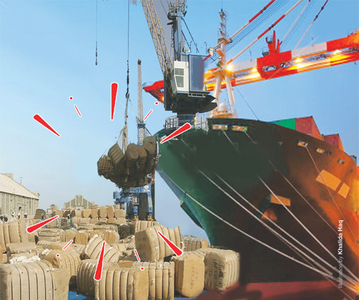
Pakistan had imported 2.7m bales of cotton (a bale is 170kg), about 40 per cent of India’s total cotton exports in 2015-16, due to crop failure that wiped off 0.5pc of the GDP (gross domestic product) growth. The industry is expecting to import 2mn bales this year.
Importers of fresh vegetables also contended that the price of tomatoes has already started rising in the local market ever since the DPP stopped its imports a day ago. One of them insisted that many importers had suffered huge financial losses because of the “sudden” decision to stop tomato imports from India.
Published in Dawn November 26th, 2016