Pakistan slips three spots to 110th on global competitiveness index


 21
21

Pakistan slipped by three spots on the Global Competitiveness Index 4.0 released by the World Economic Forum (WEF), ranking 110 out of 141 countries.
The Forum, organisers of the glitzy annual gathering of business and political elite in Davos, on Tuesday released the Global Competitiveness Report, an annual competitiveness report since 1979, that assesses which economies are well placed to see productivity and long-term growth.
In 2018, Pakistan ranked 107 out of 140 countries.
With an overall ranking of 110, Pakistan was at 107 for institutions; 105 for infrastructure; 131 for ICT adoption; 116 for macroeconomic stability; 115 for health; 125 for skills; 126 for product market; 120 for labour market; 99 for financial system; 29 for market size; 52 for business dynamism; and 79 for innovation capacity.
According to a press release issued by Mishal Pakistan, the country partner institute of the Future of Economic Progress System Initiative, WEF, the report has adopted a new methodology for measuring competitiveness 4.0 by including indices which represent more knowledge and digital-based ecosystems.
The Global Competitiveness Index (GCI) 4.0 provides a detailed map of the factors and attributes that drive productivity, growth and human development in the era of the Fourth Industrial Revolution, reads the press release.
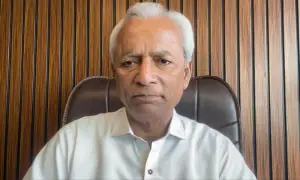
"Pakistan needs to bridge the digital divide between citizen's demand for governance and government's ability to deliver services through digital and e-governance platforms," said Amir Jahangir, CEO of Mishal Pakistan.
"The public policy agenda should have ICT adoption as one of the key drivers for transforming the economy to succeed in the fourth industrial revolution ear," he added.
The press release added that in South Asia, India was ranked 68, Sri Lanka was ranked 84 — the most improved country in the region, Bangladesh ranked 105, and Nepal ranked 108.
The United States fell to second place behind Singapore in the report, with the slippage linked in part to President Donald Trump's trade wars.