Dust produced by wheat threshing causing respiratory problem


 5
5

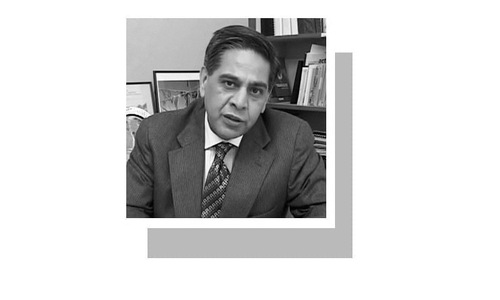
CHAKWAL: The first question Dr Mohammad Haleem asks all the patients he sees these days is: “Have you suffered from dust caused by wheat threshing?’
Dr Haleem, one of Chakwal’s foremost pulmonologist, told Dawn most of his patients respond in the affirmative.
Respiratory infections caused by wheat threshing near residential areas are on the rise in the Potohar region in the absence of laws or regulations to tackle the issue.
Pulmonologists believe that in addition to affecting patients with pulmonary conditions, healthy individuals also contract respiratory problems for this reason.
The dust cased by wheat threshing can even be fatal when it comes to asthmatic patients, Dr Haleem said.
Although 22.9pc of Pakistan’s GDP comes from agriculture, and 43pc of the labour force is employed by this sector, the growing, handling and processing of grain remains neglected.
In addition to facing smog every year, grain dust is also a major part of air pollution but has received little attention, and no work has been done to assess the harmful effects of grain dust on people in the country.
The issue has been addressed in other countries. A research article published on the website of the National Centre for Biotechnology Information, which is part of the United States’ National Library of Medicine, quoted the Canadian Thoracic Society (CTS) as stating that until 1977, 14 studies were published on the issue of grain dust in Canada.
“The dust to which grain workers are exposed is complex, whether it be wheat, barley, rye, oats or corn. It consists of the grain, hairs from the epicarp and the germ. Plant contaminants include weeds and pollens.
Fungi grow in grain depending on its freshness. Rodents may infest it, leaving their spoor,” the article states.
The study conducted by members of the CTS “confirmed that grain dust has adverse effects on the lungs and grain dust is now clearly identified as harmful to lung health”.
“Unfortunately, very little has been done in Pakistan so far in the field of studying the effects of grain dust on agriculture workers and also on other citizens exposed to such dust,” an official in the Punjab Health Department said.
The season for wheat harvesting and threshing is currently in full swing in the Potohar region.
The activity is carried out on a massive scale, with little attention given to health or safety.
The dust produced, carrying particles and allergens, can travel along with the wind and have serious health implications.
In the past, farmers would thresh their wheat on the threshing floor known as khilara, which was made far from the villages, but now farmers prefer to thresh their crop where it is harvest.
“To take the harvested crop to the threshing floor requires great effort and time, but now farmers avoid this tough labour and thresh the crop in the very field where it is harvested,” Rasheed Ahmed, a progressive farmer in Chakwal, said.
The problem is worse in cities where localities have sprawled towards agriculture lands.
“Throughout this whole month, like many other localities, ours also remains infested by wheat dust,” Dr Haleem said.
Chakwal District Health Authority CEO Dr Saadar Ali Khan also emphasised the need to address the issue.
“Wheat dust is very dangerous and people exposed to it can suffer from serious health hazards, which can even lead to fatalities,” he said.
Although Chakwal residents have raised their concerns on social media, there has been little action.
Published in Dawn, May 3rd, 2020