0
0
There are more than 7,000 known languages in the world
To be precise, the number is 7,117 — but that could change tomorrow as languages become extinct, discovered, or even invented. Surprisingly, only 4% of them are European. Around 6,000 are indigenous languages, and 90% have fewer than 100,000 speakers.
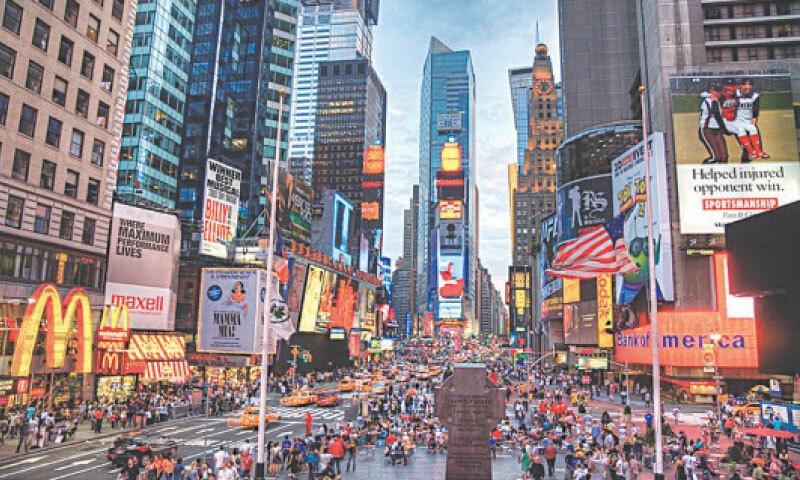
The city with the most languages is New York city
Surprised? Yes, New York City is the most linguistically diverse city in the world, with over 600 languages spoken by its residents. As a global hub for immigration, it is home to communities from nearly every country, contributing to its rich cultural and linguistic landscape. From Spanish and Chinese to Bengali and Haitian Creole, many languages thrive in different neighbourhoods. Some rare and endangered languages, such as Garifuna and Seke, are also spoken by small communities in the city, making it a unique melting pot of global communication.
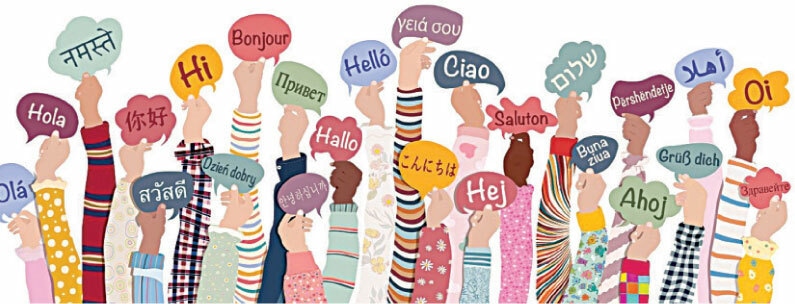
Pirahã language with no numbers and no colour names
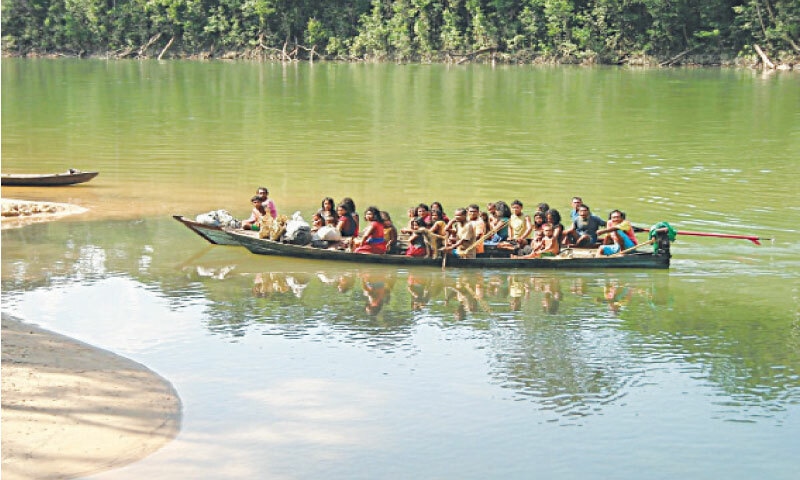
The Pirahã language, spoken by the Pirahã people of the Amazon rainforest in Brazil, is unique in that it has no words for specific numbers. Instead of numerical terms, they use relative quantity words like ‘hói’ (a small amount) and ‘baágiso’ (a larger amount). Studies suggest that Pirahã speakers rely on estimation rather than precise counting, reflecting their cultural focus on immediate experience rather than abstract concepts like mathematics.
They also don’t have names for colours in the way many other languages do. Instead of distinct colour names, Pirahã speakers describe colours using comparisons and descriptive phrases. For example, they might say something is “like blood” for red or “like the sky” for blue.
Published in Dawn, Young World, February 22nd, 2025