0
0

DHAKA is troubled by India’s decision to revoke the transshipment facility for Bangladesh’s export cargo to third countries transiting through its land borders to Indian airports and ports.
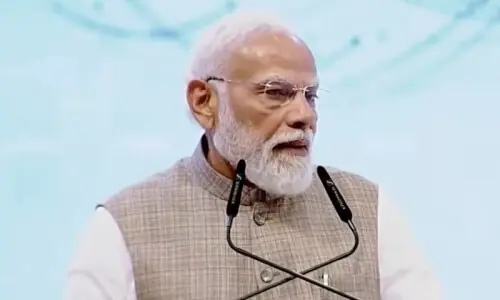
This will disrupt Bangladesh’s RMG exports and raise costs for our apparel exporters delivering orders to Western markets — especially those routed through Indian airports, such as the one in New Delhi. Thus, the decision comes as a major surprise, particularly given the recent constructive meeting between Bangladesh interim government’s Chief Adviser Muhammad Yunus and Indian Prime Minister Narendra Modi.
It was expected that the discussions would lead to further steps to strengthen bilateral relations. Instead, Bangladesh was caught off guard with this sudden move.
On April 8, India’s Central Board of Indirect Taxes and Customs issued a notification stating that the directive issued on June 29, 2020—granting transshipment facilities to Bangladesh — had been withdrawn. (Later, the Indian Ministry of External Affairs clarified that the decision would not affect trade between Dhaka and Nepal or Bhutan via Indian territory, as these landlocked countries are protected under WTO guidelines.)
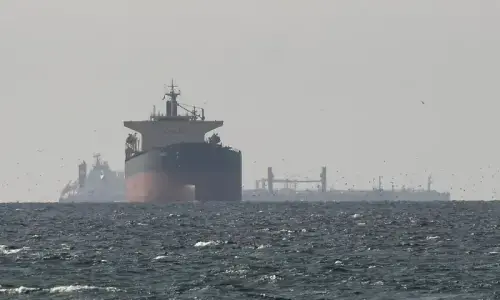
India justified this decision by citing significant congestion at its airports and ports, which it claims has been exacerbated by the transshipment facility granted to Bangladesh. The secretary general of India’s Apparel Export Promotion Council also mentioned that the move responded to a “long-standing demand” from Indian exporters to halt the transshipment of Bangladeshi cargo through Indian ports. The decision, he noted, would help rationalise freight rates, reduce congestion, and lower transportation costs for Indian exporters.
Nevertheless, this move seems to be driven more by political messaging than by economic considerations. For one, the transshipment facility was a commercial arrangement, with Bangladesh paying India for the service. Typically, when either party seeks to end such an arrangement, a transition period is granted to allow the other side to make alternative arrangements — this was not the case here.
The transshipment facility appeared to be a mutually beneficial arrangement. Its sudden discontinuation will undoubtedly harm Bangladeshi businesses. In light of this, we request India to provide a provisional period, allowing time for Bangladesh to make alternative arrangements before the facility is completely withdrawn. Alternatively, India could consider renegotiating the terms of the agreement to mitigate the negative impact on Bangladesh. At the same time, we urge the Bangladeshi authorities to explore available alternatives and take immediate steps to ensure that the efficiency of our supply chains is not compromised, and that our trade is not disrupted.
Published in Dawn, April 14th, 2025