PAKISTAN is confronting a growing climate threat at precisely the moment it has reduced spending on the institutions tasked with managing it. The decision to cut the climate ministry’s PSDP allocation from Rs3.5bn to Rs2.48bn is difficult to justify given the challenges ahead.
Climate risks are increasing and public investment should reflect that reality. Suparco has identified 130 potentially dangerous glacial lakes in Pakistan’s northern regions, with downstream communities exposed to the risk of glacial lake outburst floods. While only 24 of these lakes are currently unfrozen and under observation, the findings show that our glaciers are under increasing stress.
Rising temperatures are accelerating glacial melt in a country that contains one of the largest concentrations of ice outside the polar regions. The concern extends beyond the immediate flood danger. As glaciers retreat, the long-term reliability of river flows that sustain agriculture, hydropower generation and drinking water supplies comes into question.
Then there is the climate outlook. Suparco has warned that El Niño conditions may bring weaker monsoon rainfall, more frequent heatwaves, drought conditions and warmer winters. Such shifts threaten crop yields, livestock production and water availability. Extreme heat already imposes economic costs through lost labour productivity, increased energy demand and mounting public health burdens. Droughts can damage food security and raise inflationary pressures, while erratic rainfall continues to expose vulnerable communities to both flooding and water shortages.
Climate change is increasingly a fiscal challenge. Governments are forced to divert scarce resources towards emergency relief, reconstruction and compensation instead of development priorities. Repeated climate shocks discourage investment, disrupt supply chains and place additional strain on an economy already grappling with tight public finances. Our experience in recent years demonstrates how quickly climate shocks can overwhelm public resources.
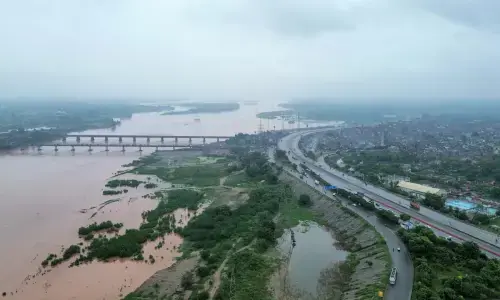
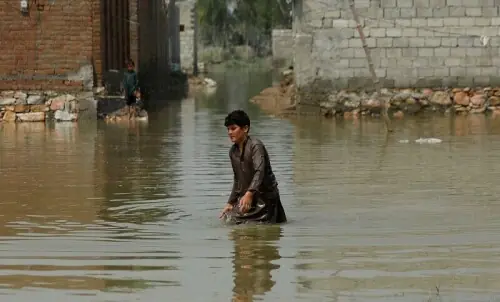
The devastating floods of 2022 caused losses estimated at over $30bn and left a recovery bill that continues to burden public finances. The lesson is that preparedness costs less than reconstruction. Investments in climate monitoring, early warning systems, resilient infrastructure and disaster management are not discretionary expenditures. They are economic safeguards.
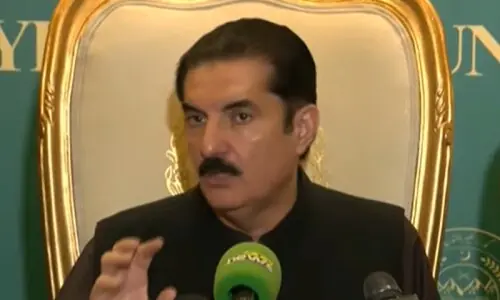
The budget debate also raises questions about priorities. Senator Sherry Rehman was right to question why climate spending is being cut while hundreds of billions of rupees continue to flow towards loss-making SOEs. At a time when climate-related hazards are multiplying, reducing support for adaptation and resilience amounts to a costly policy error. Pakistan cannot control global emissions trends, but it can strengthen its capacity to cope with their consequences. That requires sustained funding, stronger institutions and long-term planning.
The country’s climate vulnerabilities are becoming more visible with each passing year. Ignoring them today will prove more expensive tomorrow.
Published in Dawn, June 22nd, 2026