India’s ‘push-in’ strategy violates international law


 0
0
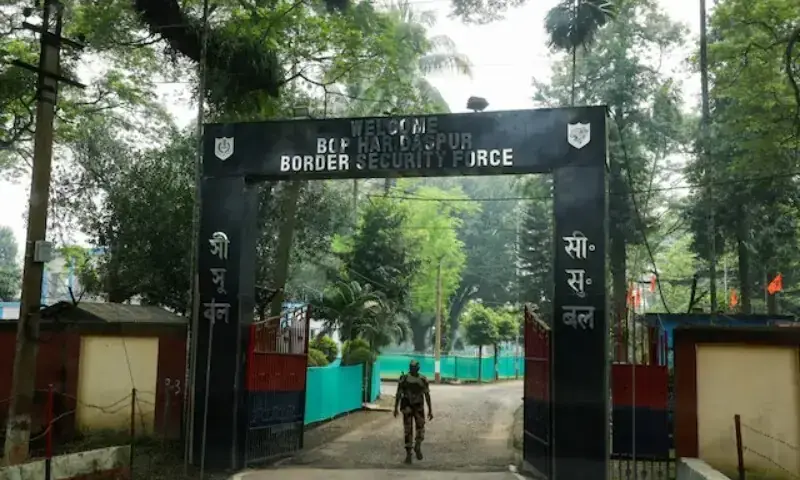

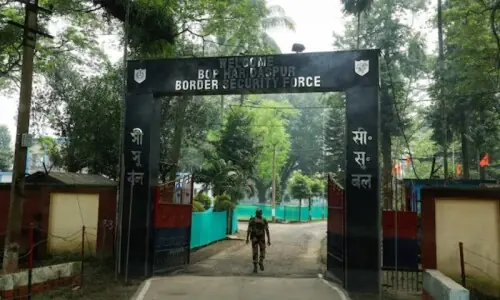
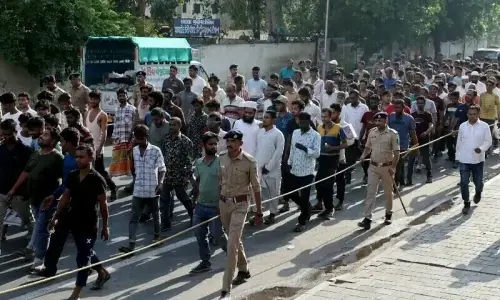
THE now regular attempts by India’s Border Security Force (BSF) to push in Bangla-speaking Muslims into Bangladesh display an unwarranted hostility that will do little to improve diplomatic relations between the two countries. The cruel manner in which people, including women and children, have been forced into Bangladesh, with many being stranded on no man’s land and exposed to the elements, is a clear violation of international law and fundamental human rights. Human Rights Watch (HRW) has brought attention to these forced expulsions and stated that India is obligated under the International Covenant on Civil and Political Rights and the International Convention on the Elimination of All Forms of Racial Discrimination to ensure the protection of everyone’s rights and prevent deprivation of citizenship on the basis of race, colour, descent, or national or ethnic origin.
It is disheartening that the controversial revision of voter lists just ahead of the West Bengal elections dropped over nine million names, the majority of them Muslim Bangalees. In 2019, a flawed and discriminatory verification process in Assam made 1.9 million people stateless, and thousands of Bangla-speaking residents of the state have been kept in detention centres, many expelled to Bangladesh unlawfully.
Border Guard Bangladesh (BGB) has been struggling to resist BSF’s regular attempts to push people into Bangladesh along the border districts. It is no secret that the cruel and humiliating deportation of these people is part of the “detect, delete, and deport” policy of West Bengal’s recently elected Chief Minister Suvendu Adhikari. He has claimed that hundreds of “Bangladeshi infiltrators” had been detained and nearly 5,000 people had been forced “to go back.”
Bangladesh has responded aptly, saying that any deportation must follow proper verification and established repatriation procedures. This echoes HRW’s deputy Asia director Meenakshi Ganguly’s statement urging the Indian government to “stop unlawfully expelling people, ensure procedural safeguards, engage with Bangladeshi authorities to verify citizenship, and end this dismaying animosity toward Muslims.” The United Nations, meanwhile, has called upon Bangladesh and India to resolve the issue of “push-ins” through dialogue and respect for human rights. And Bangladesh maintains such a position. The home minister stated in parliament recently that already 2,369 people had been pushed into Bangladesh since August 5, 2024, with the BGB pushing back around 183 people.
It is quite puzzling that, at a time when relations between Bangladesh and India appeared to be thawing after a long hiatus since the fall of the Sheikh Hasina regime, the frequency of “push-in” attempts has increased, causing immense suffering to the individuals who have been treated with indignity and callousness. If relations between the two countries are to improve, which is crucial for both, such underhanded acts of blatant racism must stop. If it is a question of illegal immigration, then claims made by Indian authorities must be examined carefully and resolved through basic standards of diplomacy. In this case, it is up to India to ensure that.
Published in Dawn, June 22nd, 2026