Senate panel questions need for climate change authority
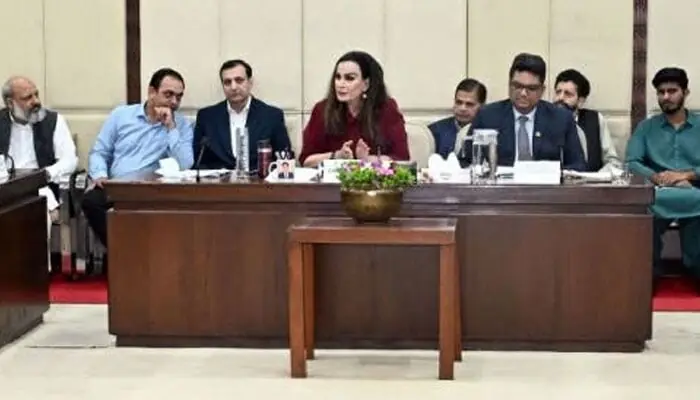
ISLAMABAD: Chairperson of the Senate Standing Committee on Climate Change Senator Sherry Rehman has questioned the need for maintaining the Pakistan Climate Change Authority (PCCA), arguing that its mandate, functions and expertise substantially overlapped with those of the Ministry of Climate Change and Environmental Coordination.
Chairing a meeting of the committee on Tuesday, Ms Rehman said the government should reconsider the institutional structure of PCCA, particularly at a time when the ministry of climate change was facing declining budgetary resources.
She pointed out that the ministry’s allocation under the Public Sector Development Programme had fallen to Rs2.478 billion from Rs3.5bn, while Rs2.7bn had been allocated in the previous fiscal year. Against this backdrop, she questioned the rationale for establishing a separate authority and sanctioning 24 posts when its core responsibilities appeared to duplicate those already assigned to the ministry.
“The question is what additional value is this authority creating when the functions listed under its mandate, are already the responsibility of the ministry?” she asked.
Sherry says climate change ministry doing same work as PCCA; sees no reason for a separate authority with 24 sanctioned posts
The senator also questioned the deputation of ministry officials to the authority and the transfer of technical personnel between the two institutions. She said her concerns were not directed at individual officers but at institutional duplication and repeated shifting of the same expertise from one government structure to another.
The committee was informed that the PCCA had initially been conceived as a mechanism for providing enhanced technical support.
Ms Rehman questioned whether the required capacity could instead have been developed within the ministry itself rather than through another institutional structure.
She also challenged the authority’s role in coordinating with provincial governments, noting that the ministry already had a mandate for such coordination.
The committee further sought details about the PCCA’s ability to mobilise international climate finance, including resources from the Green Climate Fund.
The chairperson directed the climate secretary to appear before the committee at its next meeting with a comprehensive explanation of the authority’s institutional justification, staffing and deputation arrangements, financial implications, technical value, international linkages and climate-finance mobilisation capacity.
The meeting observed that PCCA should be abolished if it failed to demonstrate a distinct and measurable institutional value.
The committee also reviewed the growing threat posed by Glacial Lake Outburst Floods (Glofs) and accelerated melting of the country’s glaciers. A UNDP official informed the meeting that Pakistan had more than 30,000 glaciers and that climate change was accelerating glacial melting. The committee was also told that 108 disaster events had been dealt with through early warning systems, including two Glof incidents.
Members expressed dissatisfaction with the briefing, saying substantially similar information had been presented to the committee the previous year without adequately showing what had changed on the ground.
Ms Rehman called for a stronger assessment of glacial melt, vulnerable communities and future risks, and urged closer coordination among the National Disaster Management Authority, Pakistan Meteorological Department and climate authorities.
The committee also examined implementation of the Islamabad Capital Territory (Prohibition of Plastic Book Covers) Act, 2026. She criticised weak enforcement and the continued widespread use of plastic in the capital, saying plastic waste was contributing to blocked drains and environmental pollution.
She also questioned claims that certain products were biodegradable or recyclable without adequate standards and verification.
While stressing the need for enforcing the ban, she said affordable alternatives must be made available, particularly to low-income consumers who are dependent on plastic packaging for everyday goods.
The committee emphasised that effective plastic regulation required both enforcement and practical alternatives to enable consumers and businesses to shift away from harmful materials.
Published in Dawn, August 12th, 2026