Haroonabad treatment plant to help ease city water woes: Sindh CM
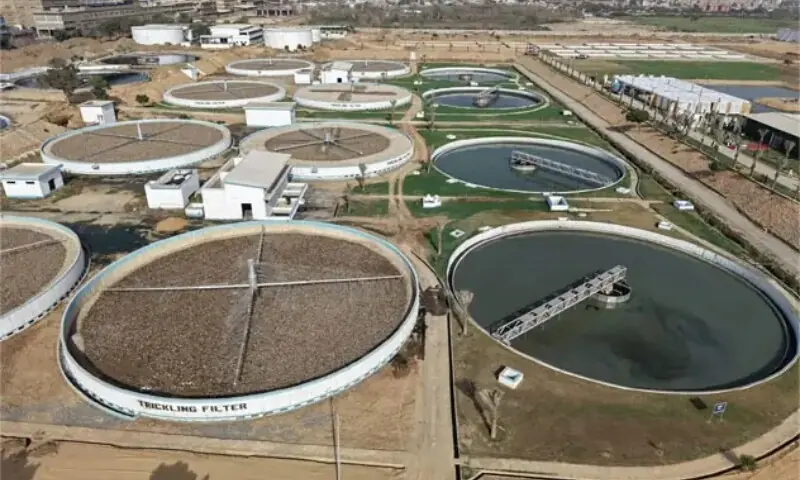
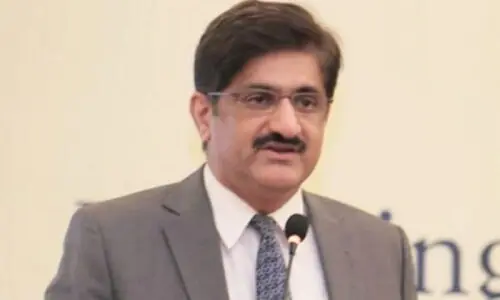
KARACHI: Sindh Chief Minister Syed Murad Ali Shah has called the Haroonabad Treatment Plant-I (TP-1) an important milestone in Karachi’s efforts to improve water security, promote sustainable industrial development and address the growing challenges of water scarcity.
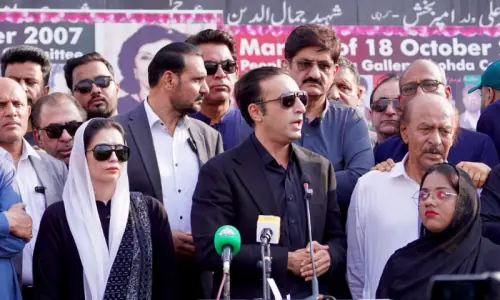
He said this at the inauguration ceremony of Pakistan’s “first large-scale Wastewater Treatment and Reuse Project” at Haroonabad, which was inaugurated by Pakistan Peoples Party Chairman Bilawal Bhutto-Zardari.
The ceremony was attended by PPP Sindh President Nisar Khuhro, provincial ministers, Karachi Mayor Barrister Murtaza Wahab, representatives of industry, development partners, technical experts and senior government officials.
Speaking on the occasion, the chief minister said the project was “the first of its kind in Pakistan”, converting wastewater into a reusable resource for industrial purposes.
Murad notes facility to supply 35 MGD of treated water to industries, freeing an equivalent quantity of freshwater for domestic use in Karachi
He added that under the initiative, 35 million gallons per day (MGD) of treated water would be supplied to industries through the wastewater treatment facility.
“By supplying treated wastewater to industries, an equivalent quantity of freshwater - 35 MGD - will become available for domestic use by the citizens of Karachi,” he said. “Water currently allocated to industries can now be redirected to households, helping address the city’s growing water needs.”
The chief minister said the quality of the treated water had been tested and found suitable for industrial consumption, adding that the facility would begin supplying water on a full scale in the coming days.
He noted that the project was completed in a record time under a public-private partnership model and represented a practical solution to the challenges of water scarcity, population growth and increasing industrial demand.
He said the initiative was also financially sustainable because industries would purchase the treated water, enabling operational expenses to be met through project revenues. “Once operational, the project will largely sustain itself and will not require additional financial support from the Sindh government for its routine operations,” he said.
Congratulating Mayor Wahab, the Karachi Water and Sewerage Corporation and all stakeholders involved in the project, the chief minister said the successful completion of the facility demonstrated what could be achieved through collaboration between government institutions and the private sector.
‘Public service remains govt’s foremost priority’
The chief minister, speaking about the pace of development in Sindh, said numerous public welfare projects were being completed across the province.
“We have so many projects under way and reaching completion”, he said, adding that the government remained focused on delivering services and tangible benefits to citizens rather than merely holding ceremonial events.public welfare projects were being completed across the province.
“We have so many projects under way and reaching completion”, he said, adding that the government remained focused on delivering services and tangible benefits to citizens rather than merely holding ceremonial events.
He emphasised that even on public holidays, work on development projects continued because public service remained the government’s foremost priority.
The CM also highlighted Sindh’s achievements in the health sector, stating that the province’s healthcare institutions had earned recognition from medical professionals nationally and internationally.
Reaffirming the Sindh government’s commitment to public welfare, he said the provincial administration would continue working to meet the expectations of the people through improved infrastructure, better services and sustainable development initiatives.
Commenting on the Haroonabad Wastewater Treatment and Reuse Project, the chief minister said it was expected to play a significant role in reducing pressure on Karachi’s freshwater resources, improving environmental sustainability and providing a reliable alternative water source for industrial consumers.
Published in Dawn, October 4th, 2026