Moscow moot ends sans joint statement
• Pakistan-Afghanistan disagreement cited as main reason
• Islamabad maintains cross-border terror attacks rose despite peace talks with Taliban
• ICC unseals warrants for Afghan ministers over anti-women actions
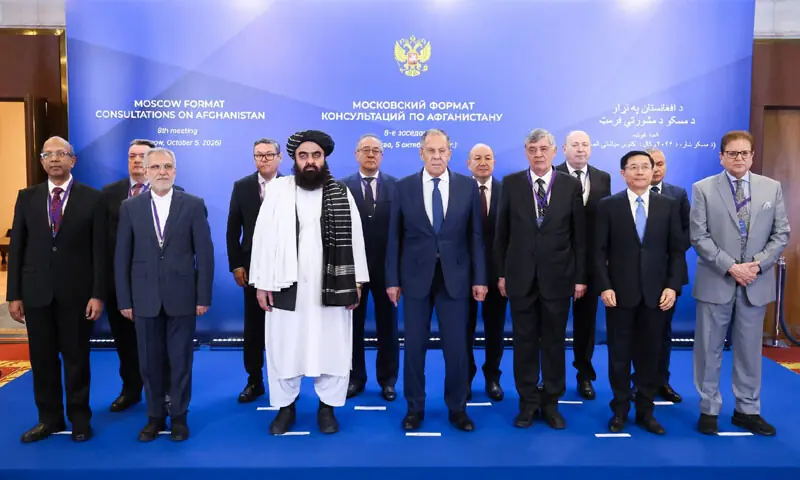
ISLAMABAD: The eighth edition of the Moscow Format regional consultations on Afghanistan on Monday ended without a joint communique, mainly because of disagreements between Pakistani and Afghan delegations in what was possibly the first instance in the series where participants failed to agree on a joint statement.
Russian presidential envoy for Afghanistan Zamir Kabulov said Moscow regretted that the participants could not agree on the final document.
“When drafting the final joint statement, we encountered one problem, that problem was that our Afghan and Pakistani colleagues didn’t see eye to eye,” he said.
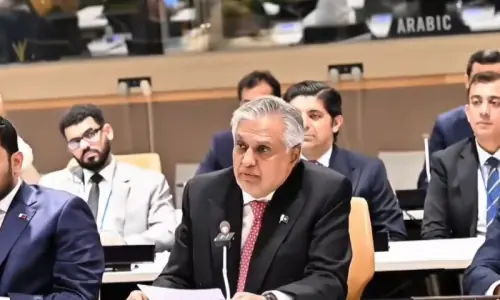
The Moscow meeting brought together special envoys and senior officials from Afghanistan, China, India, Iran, Kazakhstan, Kyrgyzstan, Pakistan, Russia, Tajikistan and Uzbekistan, with Belarus and Egypt attending as guests. The format dates back to 2016 -17 and has emerged as one of the main regional diplomatic tracks on Afghanistan.
The failure to agree on a joint statement underscored how the worsening Pakistan-Afghanistan dispute is now complicating wider regional efforts to build consensus on Afghanistan.
The tense relations between Islamabad and Kabul were among the key issues discussed at the meeting, with the dispute over terrorism and counterterrorism language ultimately preventing the adoption of the joint document.
Mr Kabulov said the Afghan side objected to references that placed Afghanistan in a terrorist context.
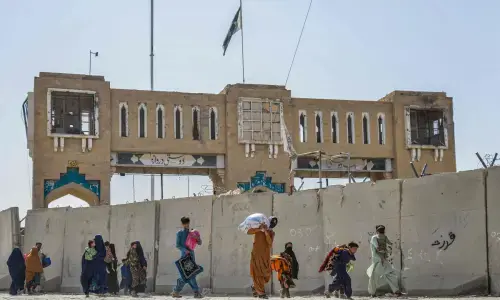
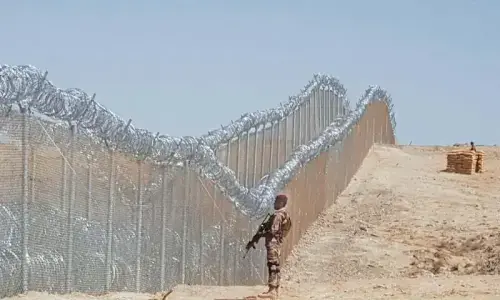
Attacks from Afghan soil
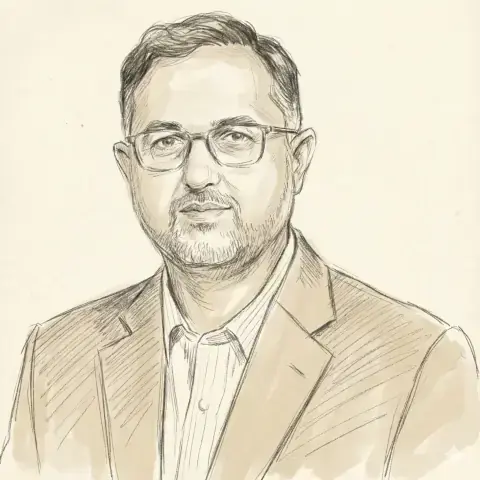
Pakistan’s special envoy for Afghanistan, Mohammad Sadiq, told the meeting that Islamabad wanted peace and stability in the region and had pursued political and diplomatic engagement with the Taliban leadership to address terrorism emanating from Afghan soil.
“Pakistan desires peace and stability in the region and has remained patiently engaged in political and diplomatic efforts aimed at addressing the menace of terrorism emanating from Afghan soil. However, it is unfortunate that Pakistan’s numerous goodwill gestures and highly responsible approach were misconstrued, resulting in increased terrorist attacks from Afghan soil, with the active support and backing of the Taliban Regime,” he said.
Taliban want more talks
Afghan Taliban Foreign Minister Amir Khan Muttaqi, meanwhile, criticised Pakistan’s statements and actions towards Afghanistan and Afghans, accusing Islamabad of using military pressure, refugees, students and transit routes as instruments of leverage.
At the same time, he insisted that the problems affecting relations between the two neighbours could be resolved through dialogue and diplomacy.
Russia offered to help de-escalate the dispute, although Kabulov stressed that resolving bilateral disputes was not the purpose of the Moscow Format.
“Russia is ready to assist in ending this conflict in any possible, permissible way either on its own or in partnership with our other partners provided that both sides make such a request. We are ready to provide the maximum possible assistance,” he said.
Russian Foreign Minister Sergey Lavrov, who opened the meeting, endorsed the performance of the Taliban authorities while warning against any attempt by Nato to establish military infrastructure in Afghanistan or neighbouring countries.
He backed assistance to Kabul and said strengthening Afghanistan’s counterterrorism capacity served regional interests.
ICC warrants
Meanwhile, the International Criminal Court on Monday unsealed arrest warrants for two Afghan ministers accused of committing crimes against humanity through the Taliban government’s restrictions on women and girls, AFP reported.
The warrants, for Habibullah Agha, minister of education, and Neda Mohammad Nadeem, minister of higher education, were issued in September 2025 but remained under seal until Monday.
The two officials are accused of gender-based persecution linked to policies that have barred girls from attending school beyond primary level and excluded women from higher education following the Taliban’s return to power in August 2021.
The two warrants against the ministers were issued after the ICC, in July 2025, authorised warrants for Afghanistan’s Supreme Taliban Leader Haibatullah Akhundzada and Supreme Court President Abdul Hakim Haqqani, parts of which have been made public.
Both Agha and Nadeem were instrumental in imposing the supreme leader’s vision of Afghanistan.
In a sharp reaction to the ICC warrants, a Taliban spokesman condemned the ICC position on the arrest of Afghan leaders.
Published in Dawn, October 6th, 2026