K-Electric may have to carry out load management as 'extreme' measure during peak hours at night
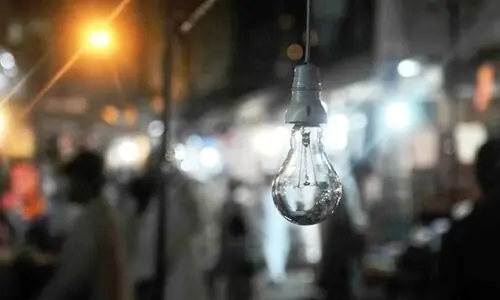
Power utility for Karachi, K-Electric, said on Friday that it may need to undertake load management as an “extreme, last-resort measure” during evening and night peak hours due to a shortage of re-gasified liquefied natural gas (RLNG), caused by disruptions to global supply and delayed cargoes.
“Due to a nationwide RLNG constraint stemming from international supply disruptions and delayed cargoes — affecting generation across the country including KE’s territory — KE may need to undertake load management as an extreme, last-resort measure during evening/ night peak hours, if necessitated. Daytime supply will remain largely stable,” KE spokesperson Imran Rana posted on X.
He said KE was in “close coordination” with Pakistan LNG Limited and other authorities to ensure an “early normalisation” and apologised for the inconvenience.
A similar situation occurred earlier this year, with consumers across the country facing electricity load management attributed to the unavailability of RLNG. Apologising in August, the government assured them that load management would be reduced “as soon as” the delayed RLNG cargoes arrived.
The government had also apologised to power consumers in April for loadshedding exceeding the promised 2.25 hours, arising out of lower water availability for power generation.
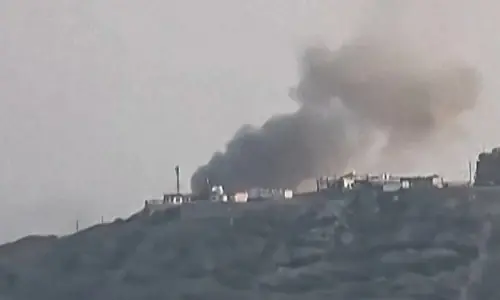
Pakistan has been grappling with a fuel shortage due to hostilities in the Middle East, which have resulted in disruption of major oil and gas supply routes — the Strait of Hormuz and Bab al-Mandab — and caused fuel prices to rise.
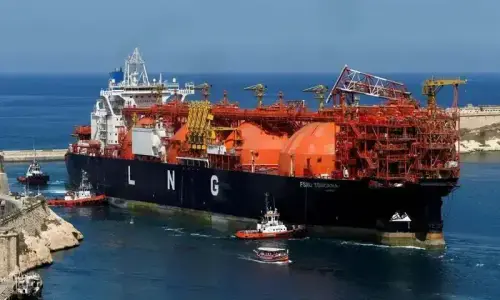
Authorities are struggling to finalise the liquefied natural gas (LNG) import plan for the upcoming three winter months — December to February — amid a challenging supply situation stemming from the US-Iran conflict.
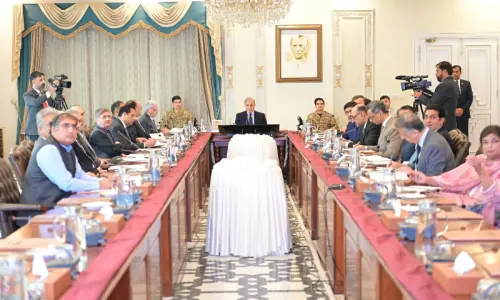
Gas companies and the Petroleum Division had sought at least 22 import cargoes for the three-month period, but the task force on energy, led by Lt Gen Zafar Iqbal, has promised no more than 10-12 cargoes of around 100 million cubic feet each on a best-effort basis, using all diplomatic and logistical channels.
The plan will be presented to the prime minister for approval, given the involvement of around $100m per spot cargo and the requirement for consent from the Ministry of Finance and the State Bank of Pakistan.
Sources, meanwhile, indicate that actual LNG imports may not exceed seven to eight cargoes over the three winter months, given prevailing market conditions, which would bring the outcome closer to the Ministry of Finance’s desired level.