‘Pakistan’s poverty rate higher than India, B’desh’
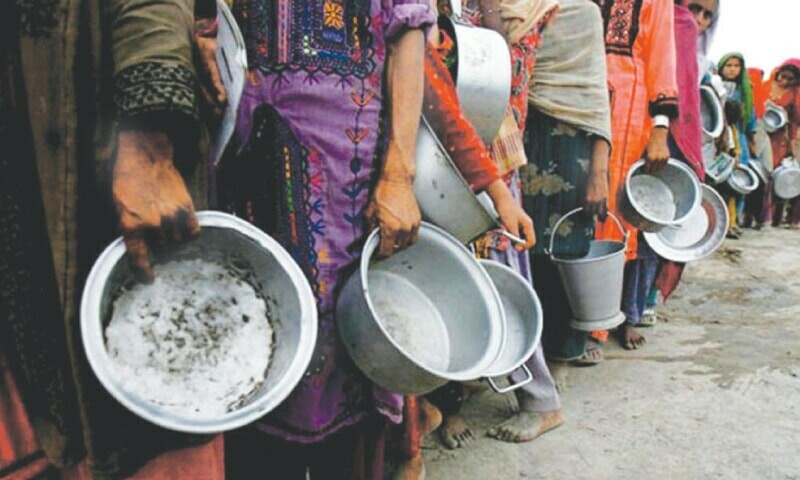
WASHINGTON: More than one-third of Pakistan’s population faces overlapping deprivations in health, education and living standards, according to the United Nations Development Programme’s (UNDP) Multidimensional Poverty Index (MPI) released on Monday.
Figures released by the UNDP in New York show that 38.3 per cent of Pakistan’s population was multidimensionally poor, compared with 16.4 per cent in India and 14.9pc in Bangladesh. The estimates are based on household surveys conducted in different years and do not provide a strictly contemporaneous comparison.
In Pakistan, the intensity of deprivation among those classified as multidimensionally poor stood at 51.7pc. Another 12.9pc of the population was considered vulnerable to multidimensional poverty, indicating that a substantial share of people remained at risk of falling into acute deprivation.
Unlike conventional income-based measures, the MPI assesses overlapping disadvantages in areas such as nutrition, child mortality, years of schooling, school attendance, sanitation, drinking water, electricity, housing and household assets.
UNDP estimates 38.3pc Pakistanis face multidimensional poverty
The report also documents a worrying global reversal. The number of people living in multidimensional poverty has risen for the first time in 15 years, reaching 1.2 billion, as families struggle to meet their basic needs.
The latest total is 51.5 million higher than the previous update. Children account for more than half of those affected, with 617m living in multidimensional poverty, while 83pc of the total live in rural areas.
The global findings underline the scale of the challenge facing governments, particularly in providing essential services to disadvantaged communities. Poverty is not simply a shortage of income; it can also mean inadequate nutrition, missed schooling and a lack of clean water or electricity.
South Asia accounts for a substantial share of global deprivation. The report says the region accounts for at least one-third of global deprivations in nutrition, housing, and years of schooling.
It is also home to 150m poor people living in households where a school-aged child is not attending school, highlighting persistent barriers to education despite broader development gains.
The UNDP’s regional figures put South Asia’s multidimensional poverty rate at approximately 19.3pc, with another 18.4pc of the population vulnerable to such poverty. Health accounts for about 29.9pc of the contribution to regional multidimensional poverty, education for 33.7pc and living standards for 36.3pc.
The figures show how disadvantages in different areas reinforce one another. Poor health, inadequate education and substandard living conditions can trap families in poverty and make it difficult for them to improve their circumstances.
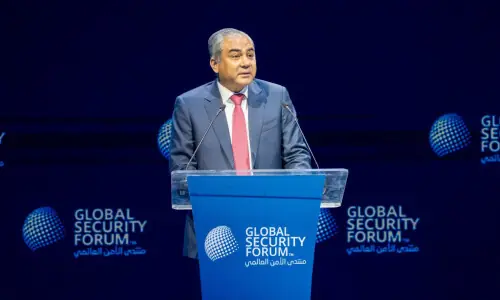
“The rise in poverty should be a wake-up call for the world,” said UNDP Administrator Alexander De Croo.
“Behind these figures are 1.2 billion people facing hardships that reinforce one another: hunger, missed schooling and a lack of clean water or electricity. This is unacceptable.”
Published in Dawn, October 13th, 2026