SOUTH Asia may see a vast movement of people as climate change makes parts of the region harder to live in. According to the International Organisation for Migration, as many as 40.5m people could be forced to move by 2050. The warning deserves attention for what such displacement could mean for a region already struggling with poverty, overcrowded cities, unemployment, and competition for resources.
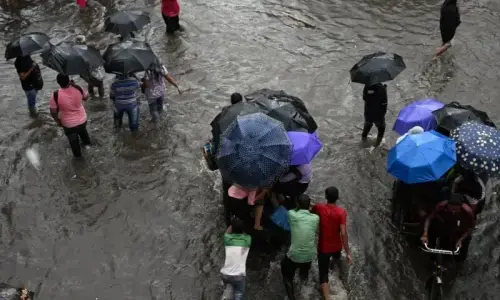
From the sinking coastlines of Bangladesh to the drought-hit districts of Pakistan, climate pressures are threatening millions of livelihoods. But it is not just the communities directly affected that will feel the impact. As farmers abandon unproductive land and families leave disaster-prone areas, towns and cities will have to accommodate growing populations.
Competition for housing, employment, water and public services could make life harder for poorer communities and generate social tensions. Countries with limited resources may struggle to provide for both established residents and newcomers. The danger is particularly acute in South Asia, where weak regional cooperation could hinder a coordinated response. Climate displacement could then become another source of instability unless governments prepare for it together.
The warning raises questions about how Pakistan intends to accommodate people whose homes and livelihoods become impossible to sustain. Our urban centres already struggle with inadequate housing, sanitation, transport, and job opportunities. An influx of climate-displaced families could deepen these problems.
Yet migration need not mean destitution. As the IOM chief has pointed out, moving can itself be a means of adapting to climate change. Pakistan must, therefore, recognise climate mobility as a permanent consideration in development planning. Provincial and local governments need reliable information about communities likely to leave, destinations likely to receive them, and services required to support their transition. Land-use policies, affordable housing, vocational training, and access to schools and healthcare must reflect changing population patterns.
Equally important is protecting the rights of displaced families, who should not lose access to documentation, education or public assistance simply because they have moved. Regional cooperation on forecasting, disaster preparedness and population movements could help countries anticipate shared pressures. The challenge is to ensure that people forced to move by climate change can rebuild their lives.
Published in Dawn, October 19th, 2026