Pakistan, EU flag security risks tied to Afghanistan
• At annual counterterrorism dialogue, bloc slams recent attacks in Pakistan
• Talks cover online extremism, terror financing
• Both sides agree to boost cooperation at multilateral forums
• FO cites exploitation of water resources by states, terrorists
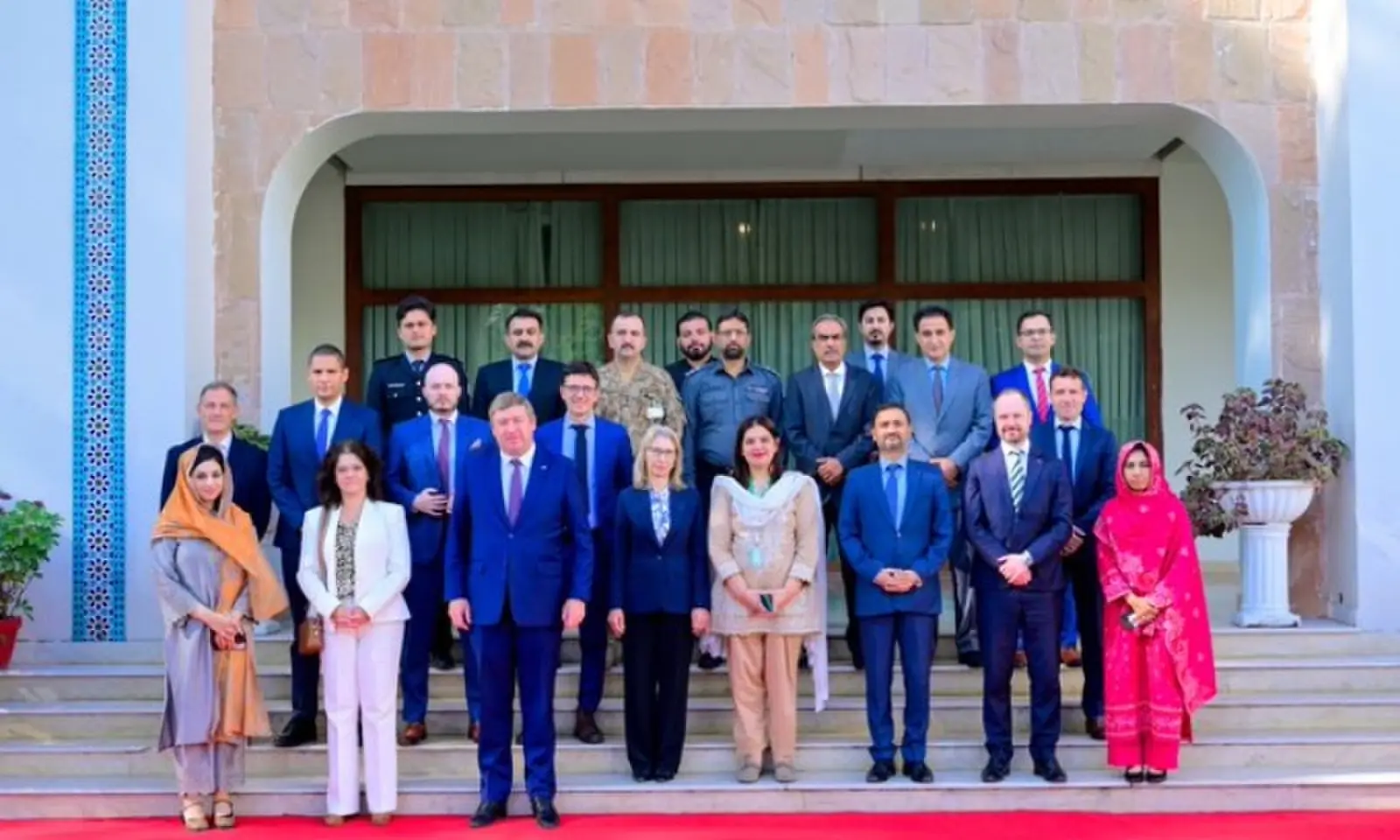
ISLAMABAD: Pakistan and the European Union on Thursday expressed shared concern over the security threat emanating from Afghanistan at their annual counterterrorism dialogue.
“Pakistan and the EU expressed concern at the security implications of the situation in Afghanistan”, both Pakistan and EU said in their statements on the 10th round of the Pakistan-EU bilateral counterterrorism dialogue in Islamabad, where the two sides reviewed the evolving terrorism threat landscape and reaffirmed their commitment to combating terrorism in all its forms.
The Afghanistan reference in the statement followed more explicit language in the joint communiqué issued after the eighth Pakistan-EU Strategic Dialogue in Islamabad on June 1.
In that statement, the two sides had expressed “serious concern over the presence of terrorist entities in Afghanistan”, and said that Afghan territory must not be used to threaten or attack other countries, besides calling on the Afghan de facto authorities to take “effective and verifiable action” against all terrorist groups operating in or from Afghanistan.
Although the statements after the counterterrorism dialogue did not repeat those specific demands, its significance lies in the fact that Afghanistan-related security concerns were again acknowledged and this time in the dedicated counterterrorism dialogue, rather than as part of a wider discussion of political and regional affairs.
The reference is, moreover, significant because Pakistan has repeatedly urged international partners to press Afghanistan’s Taliban authorities to prevent terrorist groups from using Afghan territory to launch attacks across the border.
The renewed emphasis on Afghanistan also follows recent EU engagement with the Taliban authorities.
During a visit to Kabul from Oct 12 to 14, EU Special Envoy for Afghanistan Thomas Frellesen expressed concern over the continued presence and cross-border activities of terrorist groups with regional and global reach and urged the Taliban authorities to prevent Afghan territory from being used by terrorist groups to threaten other countries.
Even though the statements after counterterrorism dialogue and the strategic dialogue did not name any specific terrorist group of concern, Pakistan has consistently identified the Tehreek-i-Taliban Pakistan and affiliated groups and Baloch separatist outfits based in Afghanistan as the main threat.
Islamabad has repeatedly demanded verifiable action by the Taliban authorities to neutralise these groups and prevent such attacks.
The language used in EU statements, while expressing concern on the terrorism threat from Afghanistan, indicates continuity with the latest dialogue reaffirming common ground between the two sides on the security risks associated with Afghanistan.
The discussions also covered evolving terrorist threats, including the exploitation of cyberspace, information and energy resources.
Pakistan and the EU, the statements noted, exchanged best practices on preventing and countering violent extremism, terrorist financing and radicalisation, with particular attention to the use of cyberspace by terrorists.
In a post on X, the Foreign Office said the dialogue also explored cooperation to counter the exploitation of water resources, besides other resources, by terrorists as well as by states.
The references to water resources and state actors did not appear in the separate official statements issued by Pakistan and the EU.
Published in Dawn, October 23rd, 2026