Pakistan rejects ex-US envoy Khalilzad’s 'baseless' allegations of arming Afghans to fight Taliban
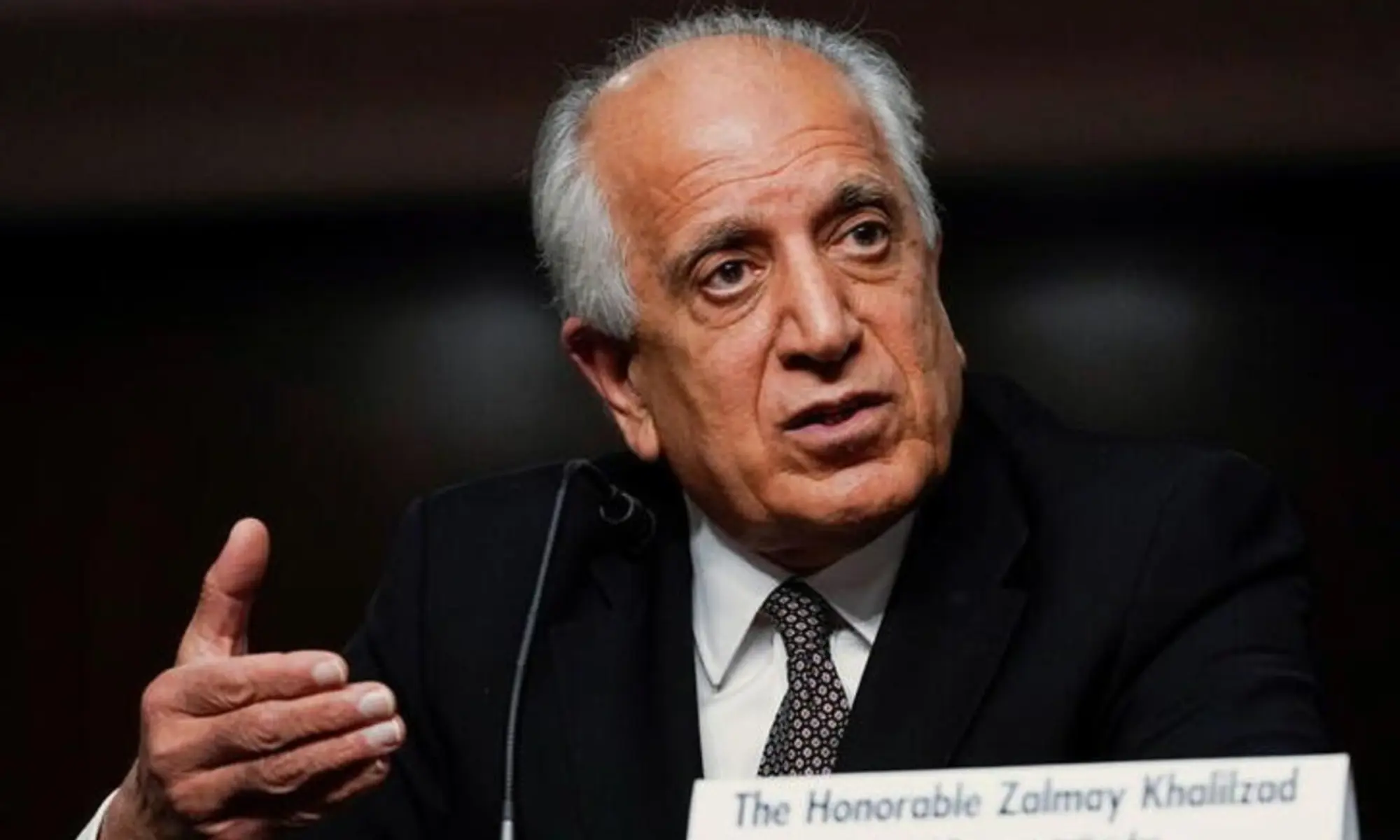
The information ministry on Saturday rejected former United States envoy Zalmay Khalilzad’s “baseless and misleading allegations” that Pakistan was “arming Afghans to fight the Taliban”.
The ministry’s response came a day after Khalilzad, who served as special representative to Afghanistan during the first Trump administration, claimed on X that there were “ many reports that Pakistan is arming Afghans to fight the Taliban in Afghanistan”. He further alleged that Pakistan was now “recruiting Afghans to fight against anti-Pakistan insurgents”, adding that ties between the two countries were likely to “get much worse”.
“His sweeping baseless assertions merely recycle speculative narratives as part of his personal agenda to prop [the] terrorism-supporting Taliban regime,” the information ministry’s fact-check account said on X.
It rebuked Khalilzad, saying his “[peddling] of such unsubstantiated allegations only exposes his skewed agenda-based views”.
The ministry highlighted that it was “particularly misleading to conflate Pakistan’s legitimate counterterrorism operations against terrorist organisations operating from inside Afghan Taliban regime-controlled areas threatening its citizens with allegations of recruiting Afghan nationals or sponsoring armed groups inside Afghanistan”.
“Pakistan remains at the forefront of the fight against terrorism and has made enormous sacrifices in protecting regional peace and security,” it emphasised.
It went on to point out that successive monitoring reports issued by the United Nations had documented the continued presence and activities of terrorist organisations, including the banned Tehreek-i-Taliban Pakistan (TTP) and Al-Qaeda, inside Afghanistan.
“Khalilzad’s allegations conveniently divert attention from the Afghan Taliban regime’s responsibility to prevent its territory from being used by India-sponsored proxies for terrorism against Pakistan,” the statement added.
Khalilzad, who negotiated a US deal with the Taliban that led to the withdrawal of Nato forces from Afghanistan, has previously called for Islamabad and Kabul to enter a negotiated settlement multiple times, as recently as January this year.
In November last year, the information ministry criticised Khalilzad for “creating a false impression” of the militant group Islamic State-Khorasan (IS-K) having a presence in Punjab.
The ex-US envoy had claimed an IS-K commander was killed in Punjab’s Akhtarabad. The ministry later clarified that a man had been killed during a dacoity/robbery-related incident, not a counterterrorism operation, and that there was no evidence linking him to IS-K.
In March 2023, the Foreign Office (FO) reacted strongly to a series of suggestions made by Khalilzad, saying Pakistan did not need “unsolicited advice” on the challenges it faces.
That statement by Khalilzad also prompted the US State Department to clarify that the former envoy did not represent the country’s foreign policy and did not speak for the administration of then-president Joe Biden.
Ties between Pakistan and Afghanistan have been strained in the past few years as Islamabad continues to voice its concern over cross-border terrorism.
September witnessed another bout of conflict between the two neighbours, with Pakistan carrying out calibrated airstrikes in the border region in response to terrorist attacks in Khyber Pakhtunkhwa.
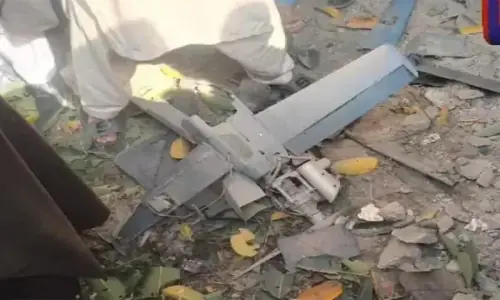
This was followed by drone incursions from across the border, which Islamabad said were shot down, and two further rounds of retaliatory airstrikes.