‘God will surely provide’: Afghans compete for jobs, homes as millions return from neighbouring countries
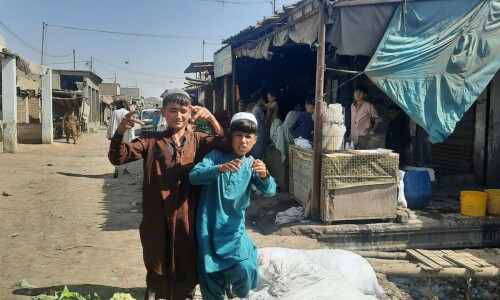
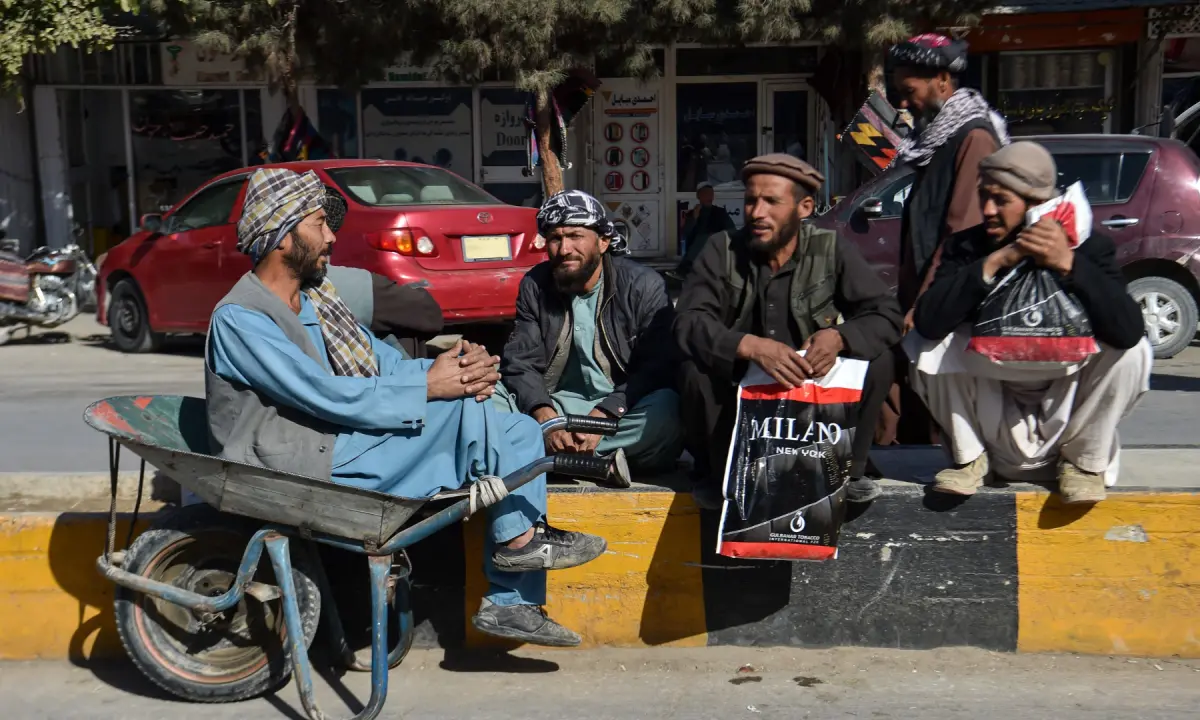
As labourers gathered at a roadside in northern Afghanistan, Ghulam Sakhi Barat joined the search for work, with millions of new arrivals intensifying pressure for jobs and homes.
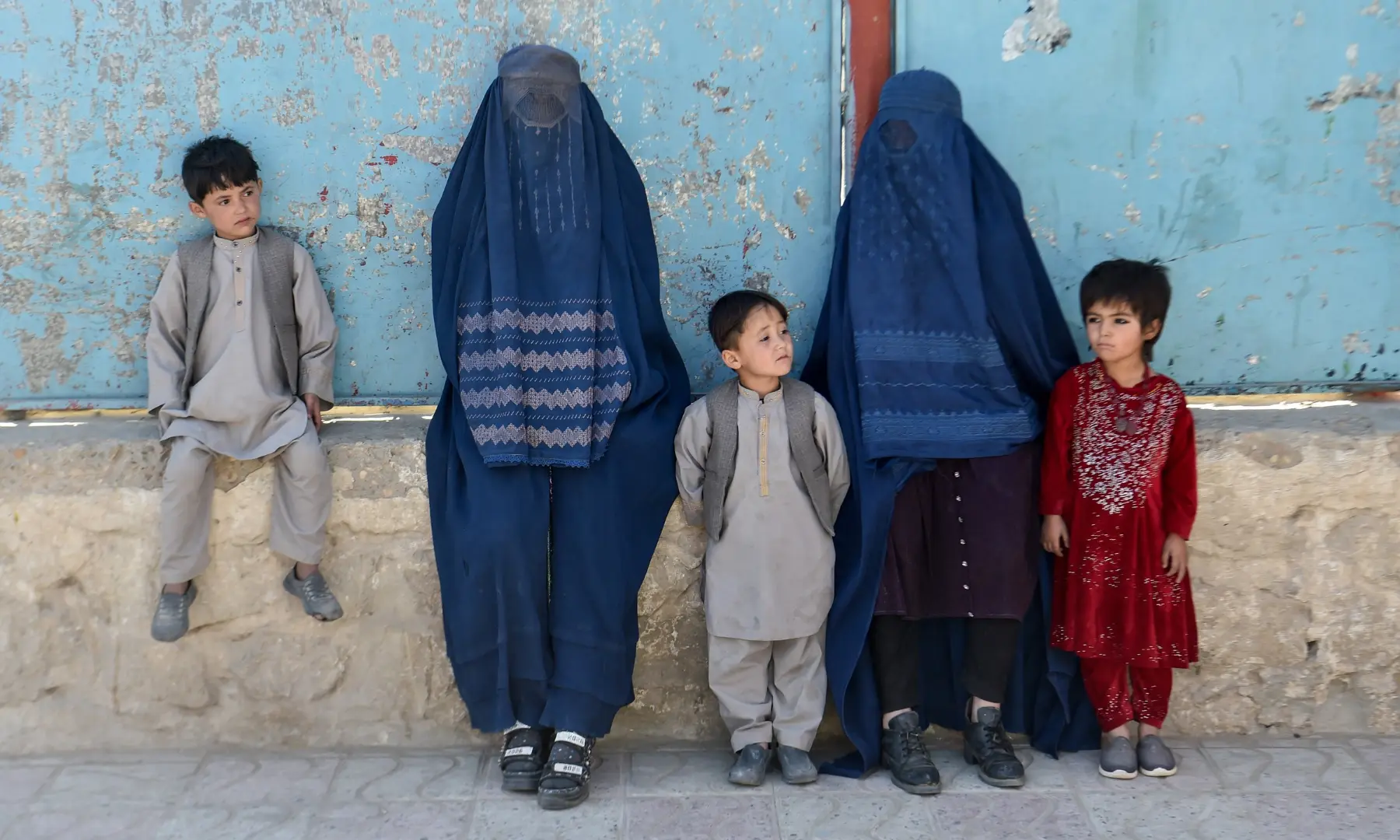
More than six million Afghans have returned from Iran and Pakistan in little over three years as the neighbouring countries have launched deportation drives after decades hosting those fleeing conflict.
With seven relatives to support in Sheberghan, the capital of Jawzjan province, Barat said “people are going hungry” as a result of the influx.
“Since the returnees arrived, there have been fewer jobs for local people,” the 83-year-old said, wearing a frayed waistcoat.
“Help is being given to the returnees, but no help is being given to the people who were already living here.”
Jawzjan may be hundreds of kilometres (miles) from the frontiers with Iran and Pakistan, but Afghans have travelled far and wide to reach areas they or their relatives fled years earlier.
Abdul Qader Hotak, 60, returned to the province after two decades in Pakistan, despite his family having no land or property in the area.
“My children used to go to school and study in Pakistan … Now, all of them collect rubbish to earn something,” he said, eight months after being deported.
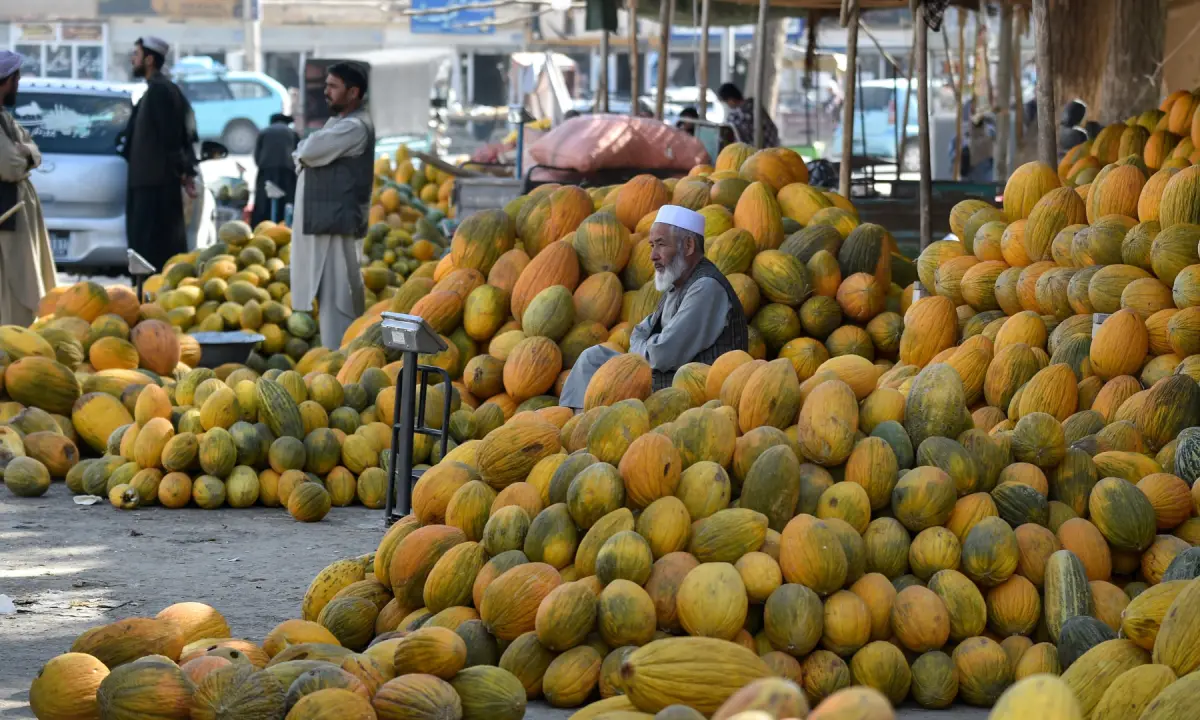
In one part of the province, Aqcha, the United Nations projects the population will surge by more than 26 per cent due to the mass returns, with water becoming a “critical flashpoint” in the drought-hit district.
Faqir Mohammad Khudabakhsh, a mason who has spent two decades going back and forth to Iran, said he is now only able to get work three days a week.
“Everyone who has returned to Afghanistan needs a place to live and a job, but they have neither,” the 54-year-old said, surrounded by fellow labourers in Sheberghan.
“Instead of spending money on food and clothes, they have to spend it on rent. I’m sorry to say this, but we are suffering from malnutrition,” he added, in paint-splattered khaki trousers.
Nearly one in three Afghans — 15.9 million people — are facing food insecurity at crisis levels or worse, according to UN data.
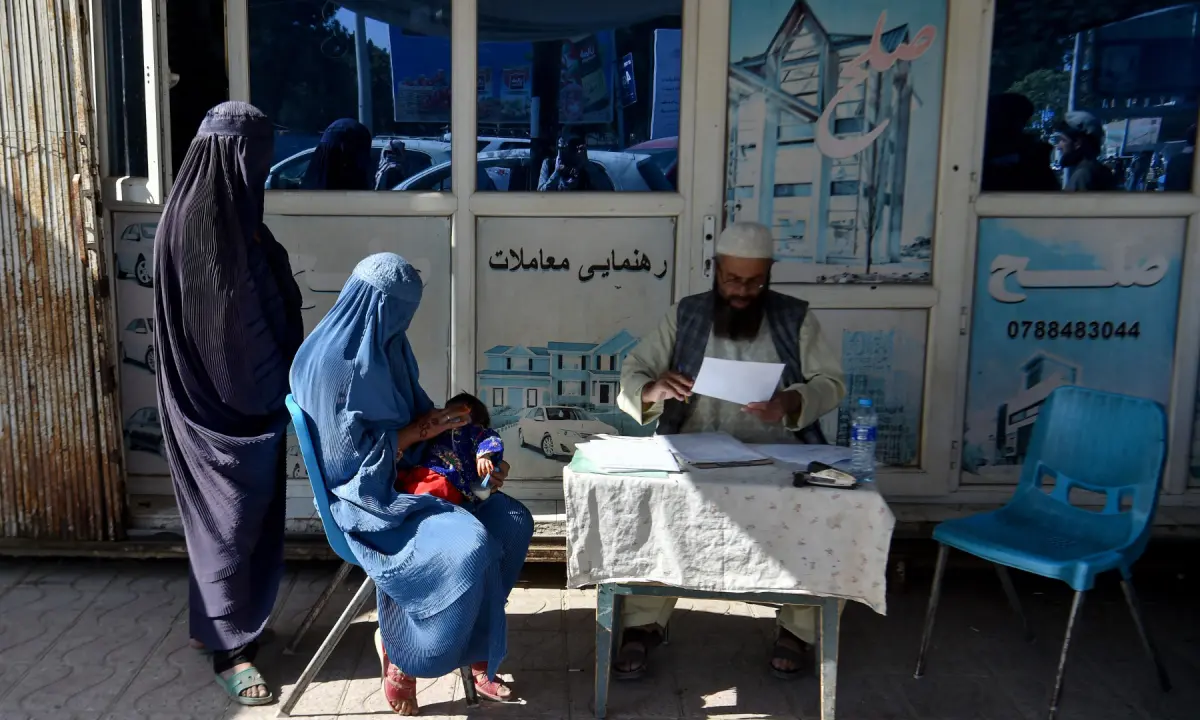
Competition for housing is fierce, with residents who spoke to AFP reporting rent surging by as much as 150 percent in recent years.
‘God will surely provide’
At the provincial information directorate, the director said there are “no unresolved issues facing local residents or returnees”.
“We have no unemployed people in Afghanistan, unless someone is simply too fond of their own comfort and chooses not to work,” said Saifuddin Muhtasem, sitting beside a globe and a bookshelf shaped like the map of Afghanistan.
The government has established a committee operating nationwide to control rent prices and prevent hikes, he said.
But a 30-year-old civil servant told AFP he had never heard of such a committee and that his rent has doubled in 18 months.
“Economic problems have increased since the returnees arrived,” said Ahmadi, who only gave one name for security reasons.
Sustained support is vital for both the returnees and the communities hosting them, the UN warned in September.
“Competition over scarce resources risks fuelling grievances, increasing displacement and promoting instability,” said Georgette Gagnon, the deputy special representative of the UN mission in Afghanistan.
The challenges are compounded by prolonged drought in Jawzjan, where the air is imbued with dust and the landscape dotted with domed mud homes and camels grazing.
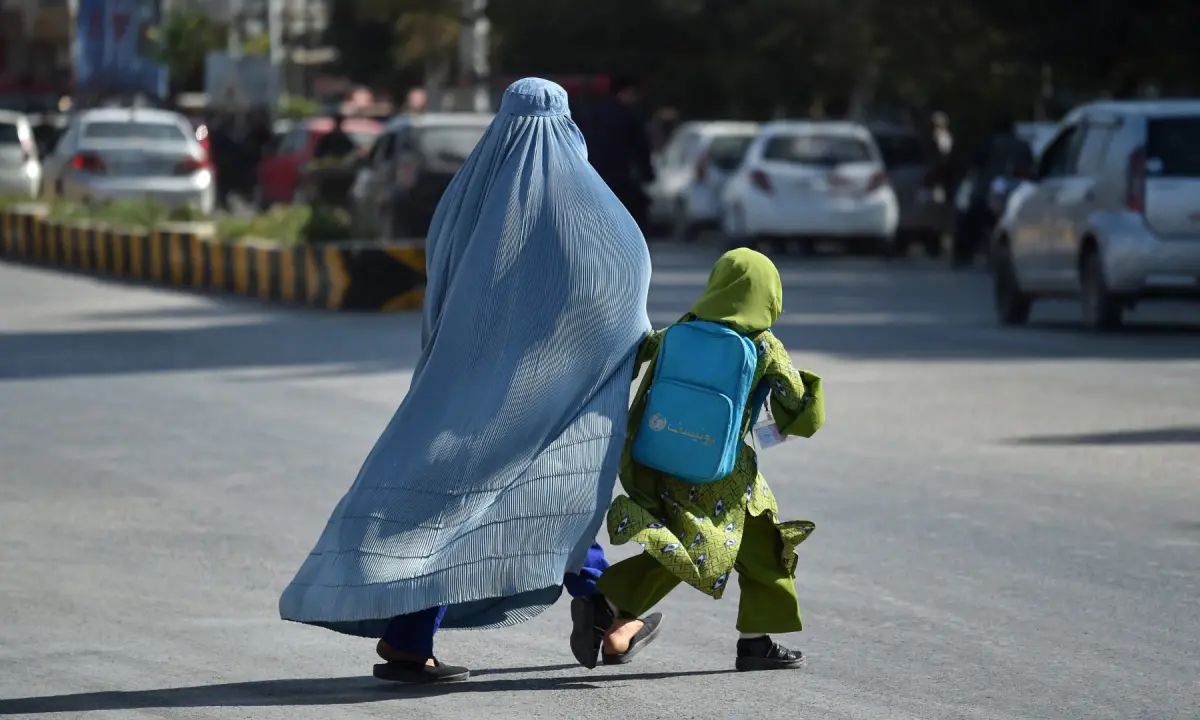
Most of the province’s water is now unfit for drinking or farming, said the information director, putting his hopes in a canal project which is expected to take another two years to complete.
“While the people of Afghanistan are not dying of hunger or thirst, they are in dire need of shelter,” said Muhtasem, who encouraged international organisations to come and build homes for returnees in the province.
“As for the rest, God will surely provide.”