Cotton arrivals rise to 4.7m bales by Oct 31
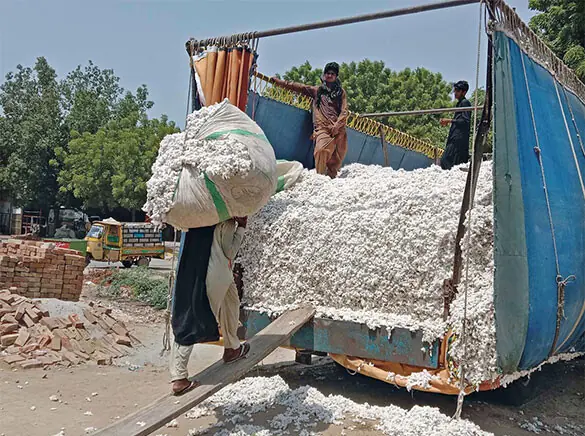
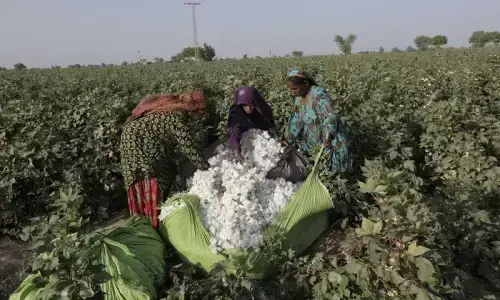
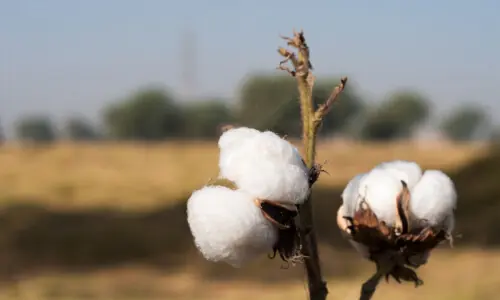
LAHORE: Cotton arrivals rose 6.88 per cent year-on-year to 4.74 million bales by Oct 31, but expanding sugarcane cultivation in traditional cotton-growing areas and excessive heat continue to undermine the crop’s recovery and fibre quality.
Cotton Ginners Forum Chairman Ihsanul Haq said Pakistan had failed for the second consecutive year to record arrivals of one million bales in any fortnight during the peak September-October period, a trend he attributed largely to the expansion of sugarcane cultivation in cotton zones and the establishment of new sugar mills.
According to the Pakistan Cotton Ginners Association (PCGA), ginning factories received over 4.742 million bales by Oct 31, against 4.437m bales during the corresponding period last year. Punjab accounted for 1.999m bales, while Sindh and Balochistan together recorded over 2.743m bales. Arrivals in Balochistan increased by 35.41pc.
Textile mills had purchased 3.997m bales and exporters 98,000 bales, leaving 648,034 bales unsold. Sanghar led the district-wise arrivals with 1.21 million bales, followed by Bahawalnagar with 526,442 bales.
Heat and sugarcane expansion hurt fibre quality
The current crop could exceed six million bales despite a smaller cultivated area than last year. The apparent improvement was partly due to the Federal Board of Revenue’s enforcement of digital invoicing, which had reduced undocumented cotton transactions and brought more trade into the official reporting system.
However, a discrepancy between PCGA and Punjab Crop Reporting Service figures continues. While the PCGA recorded around two million bales in Punjab by Oct 31, the provincial department reported 3.577m bales by Oct 29.
Mr Haq said unusually high temperatures in most cotton-growing areas from July to early November had adversely affected seed germination and fibre quality, reducing staple length and strength and increasing textile mills’ reliance on imported quality cotton.
He regretted that the government had yet to take effective measures to check sugarcane cultivation in cotton zones and the establishment of new sugar mills. Rising power tariffs and interest rates, failure to enforce crop zoning regulations and inadequate incentives for exporters were also hurting the textile industry.
He said proposed measures, including a cotton board under the All Pakistan Textile Mills Association and easing restrictions on cotton seed imports, would have limited impact without addressing these structural issues.
Mr Haq said alleged below-market imports of Chinese fabric and cotton yarn had further aggravated the domestic textile industry’s difficulties.
Published in Dawn, November 4th, 2026