High returns lure foreign investors
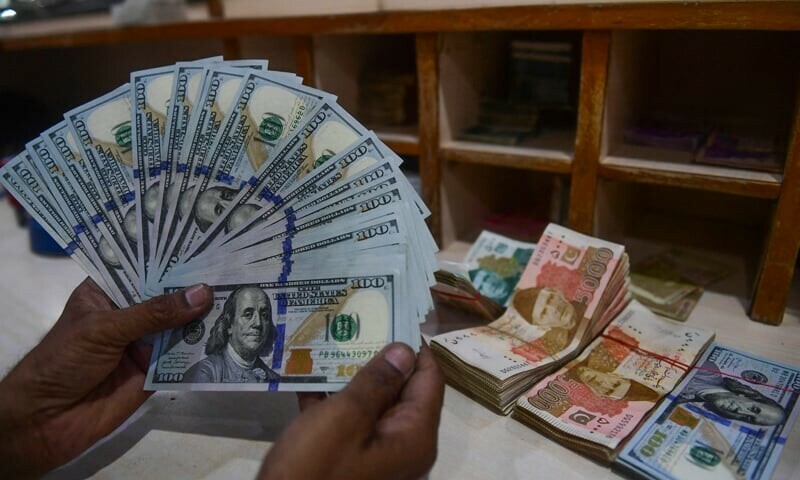
KARACHI: Foreign investment in Pakistan Investment Bonds (PIBs) exceeded $500 million in the first four months of 2026-27, reflecting growing interest in the higher returns offered by domestic bonds.
Additionally, inflows in the treasury bills (T-bills) totalled $238 million in the July-October period of FY27.
Returns on domestic bonds were already the highest in the region when the State Bank of Pakistan (SBP) raised its policy rate by 50 basis points to 12 per cent on Oct 26.
The financial sector believes the attraction is too strong to ignore, not only for foreign investors but also for domestic investors. Despite expectations of $45 billion in remittances in FY27, the government and the State Bank continue to seek other sources of dollars.
Pakistan remains under an IMF programme, which has lent stability to the economy and lowered risks. Both the IMF and the World Bank have acknowledged this stability, even as they note that the country faces severe poverty.
Latest State Bank data showed that investors bought PIBs worth $509.2 million during July-October FY27, the highest amount in this period. About $251m came in October alone.
More notably, the United Arab Emirates invested $395.7m of the total in PIBs. The UAE has faced severe economic strain since the war in the Gulf began on Feb 28. Dubai, its biggest attraction, had depended on trade, tourism and property, all of which have weakened sharply.
The second-largest investment of $80m in PIBs came from another Gulf country, Bahrain, which was also badly hit by the war. It also invested $72m in T-bills during July-October.
The United Kingdom was the biggest investor in T-bills, with $80m, while inflows into the equity market were lowest, at $124.4m over the four months. Total inflows into domestic bonds and the equity market were $872m.
The benchmark six-month T-bill offers 12.54pc return after the increase in the SBP policy rate. The return is attractive, but some analysts believe many Pakistanis are also buying domestic bonds through overseas accounts because of the high returns and the investment’s near-risk-free nature.
The investment is considered risk-free because the exchange rate has remained stable for more than a year.
Some financial experts said higher returns on PIBs and T-bills have attracted more domestic investment, leaving little room for the private sector to borrow this costly money from the banking system.
The government is trying to push banks to lend to small and medium enterprises and the housing sector, but banks have been too slow in lending to bring any major change to the two sectors.
Published in Dawn, November 10th, 2026