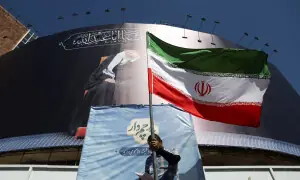
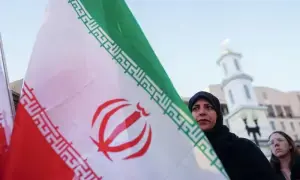
Reza Pahlavi fails to emerge as a unifying figure, while prominent dissidents inside Iran, including Nobel laureate Narges Mohammadi, are still under pressure from the authorities.
Putin says deal could stabilise Middle East, ease energy pressures; Beijing calls it ‘positive step’ for de-escalation; Qatar praises ceasefire terms and Hormuz assurances.
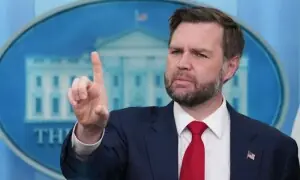
“If I were in the cabinet of the Israeli government, I might not be attacking the only powerful ally that I have anywhere left in the entire world,” Vance says at a press briefing.
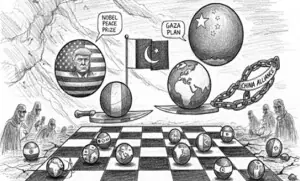
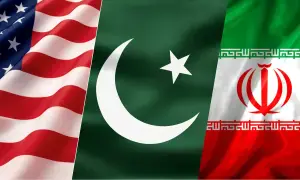
At a time when the Gulf's two most consequential powers are pulling regional security in opposite directions, the question of where Pakistan plants its flag is not an academic one.
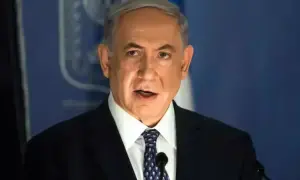
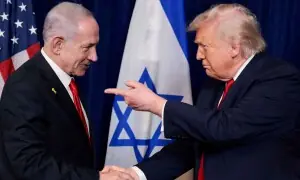
The agreement raises questions about the Israeli premier's ability to influence US policy, determination to confront Iran, and reputation as Israel's security guarantor.
The budget was already on a tightrope; whether it walks it or falls depends less on what happens in Islamabad and more on goings-on in Washington and Tehran
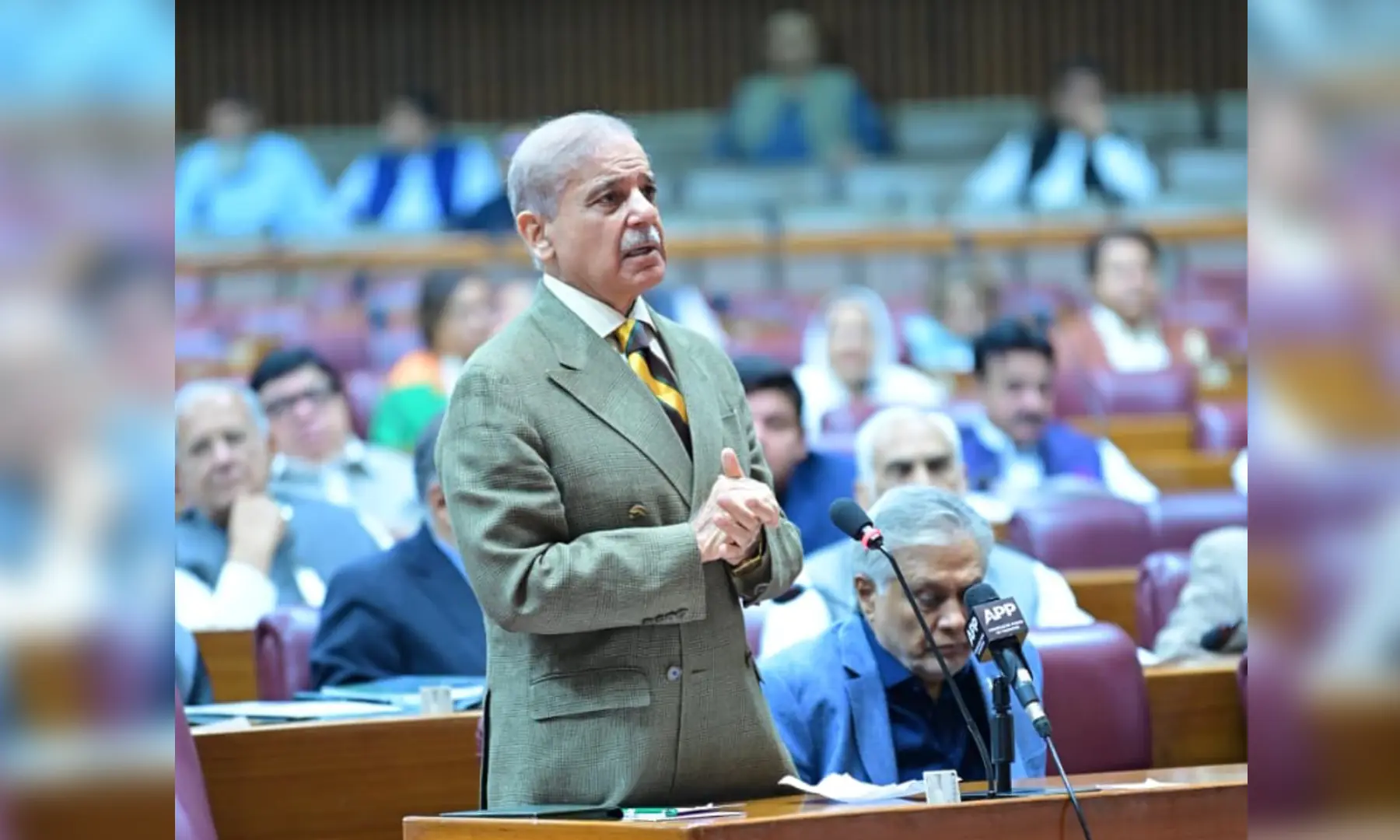
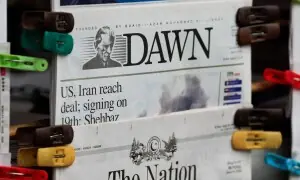
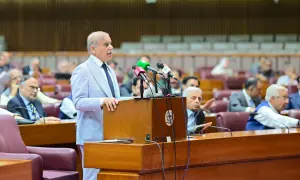
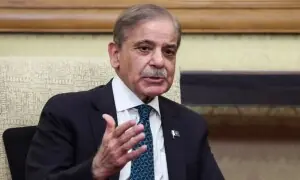
The preliminary agreement, first announced by Prime Minister Shehbaz Sharif, is being hailed as a significant diplomatic breakthrough that could restore stability in the Middle East.
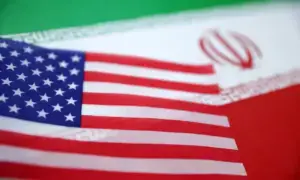
PM Shehbaz says both sides have declared immediate termination of military operations on all fronts; Iran's deputy FM says talks to be held within two months to seek a “final agreement”.
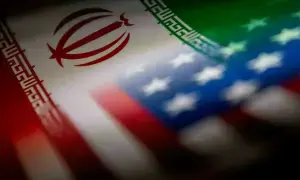
The proposed agreement is emerging as an armistice plus framework essentially prepared to stop escalation, reopen the Strait of Hormuz and create a structured negotiating process for unresolved disputes.