2
2

THE negotiations aimed at ending the US-Israel war on Iran underscore how far apart Washington and Tehran still seem to remain. In particular, confusion surrounding Iran’s position on its enriched uranium stockpile has illustrated how fraught the diplomacy has been.
Reuters reported on Thursday that Iran’s supreme leader had instructed that the country’s highly enriched uranium stockpile remain inside Iran, directly challenging one of Washington’s core demands. The US, backed by Israel, wants the material transferred abroad. But senior Iranian officials later denied that any “new order” had been issued, insisting Tehran’s position had remained consistent: that the material could be diluted domestically under supervision.
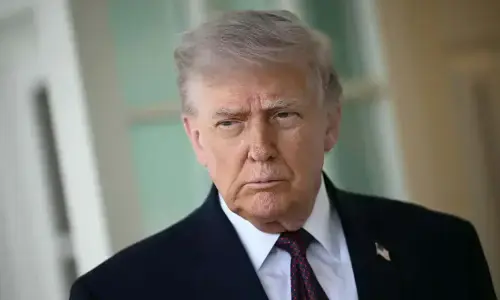
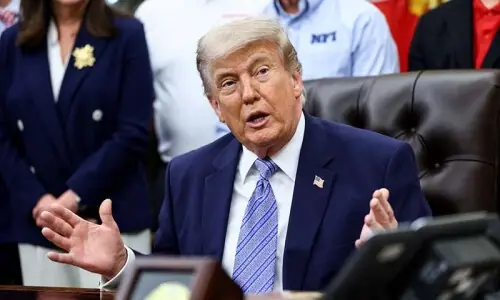
Iran has argued that transferring it abroad would leave the country exposed to future attacks. That disagreement has complicated matters, with US President Donald Trump insisting, “we will get it”.
In fact, the talks are not simply about limiting Iran’s nuclear activities. They are entangled with the wider issue of trust, or rather, the absence of it. Iranian officials increasingly suspect that the ceasefire may merely be a tactical pause before fresh strikes. Trump’s warnings that military action could resume if Tehran fails to provide the “right answers” have reinforced those fears. Iran’s response has been equally defiant, with officials saying that another attack could trigger confrontation beyond the Middle East. Even so, Tehran continues signalling that negotiations remain possible if credible guarantees against future attacks can be secured.
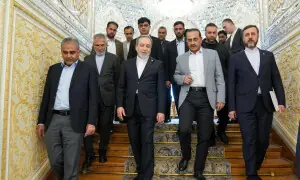
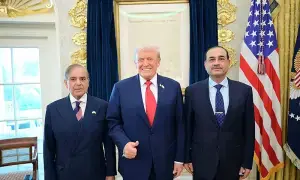
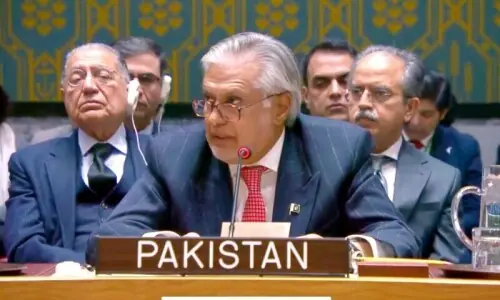
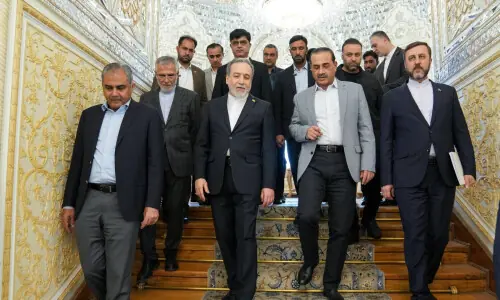
Pakistan’s role has consequently become more delicate. Interior Minister Mohsin Naqvi’s repeated Tehran visits show Islamabad is trying to prevent negotiations from collapsing before direct diplomacy can begin. Reports that Field Marshal Asim Munir may also travel to Iran indicate the mediation effort is now being handled at the highest levels of Pakistan’s civil-military leadership.
Yet Islamabad is navigating an increasingly difficult landscape. Iranian suspicions about Pakistan’s close ties with Washington and Gulf states persist, while Pakistan remains uneasy over Tehran’s growing engagement with India.
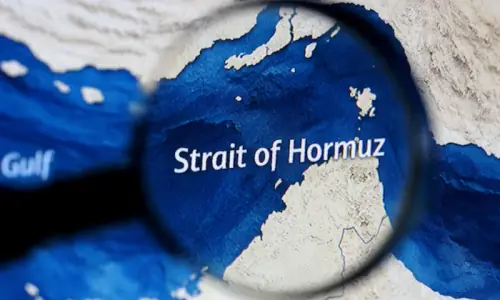
Meanwhile, the crisis is widening geographically. Drone incidents around Gulf infrastructure and disruption in the Strait of Hormuz are reminders that even limited instability now carries global consequences. Iran’s partial control over shipping through Hormuz has become both a source of leverage and alarm for Gulf states and energy markets. Saudi Arabia’s support for Pakistani mediation reflects concern that prolonged uncertainty could damage regional economies and destabilise maritime trade routes.
China and Russia are also becoming more vocal. Their latest statements criticised unilateral military action and externally imposed solutions, reflecting growing unease with Washington’s handling of the crisis. Beijing fears disruption to Gulf trade and energy flows, while Moscow increasingly frames the conflict as part of a world order sliding deeper into confrontation. The danger now is that negotiations may continue even as both sides quietly prepare for the possibility of renewed conflict.
Published in Dawn, May 22nd, 2026